
Best Way to Get Rid of Weeds Without Herbicide in Your Lawn

Achieving a lush, green lawn without resorting to harsh chemicals can seem like a daunting task, especially when stubborn weeds begin to creep in and take over, but fall is the best time to implement natural solutions. This article will delve into effective, natural strategies for getting rid of weeds, focusing on methods that protect your garden's ecosystem, promote a healthier lawn, and support pollinator health. We'll explore various approaches to weed control, including:
- Understanding different types of weeds
- Implementing preventative measures that keep your lawn pristine
All of this will be covered without the use of synthetic herbicides.
Understanding Weeds in Your Lawn
Before embarking on the journey of getting rid of weeds, it's crucial to understand what you're up against. Weeds in your lawn are more than just an aesthetic nuisance; they compete with your desirable grass for vital resources such as water, sunlight, and nutrients. Recognizing the common types of weeds and their growth habits is the first step in developing an effective strategy to kill weeds without resorting to harmful chemicals. Understanding the impact of weeds on your lawn and how to identify stubborn weeds will empower you to choose the most appropriate and sustainable methods for weed control, ensuring you want to get rid of them effectively.

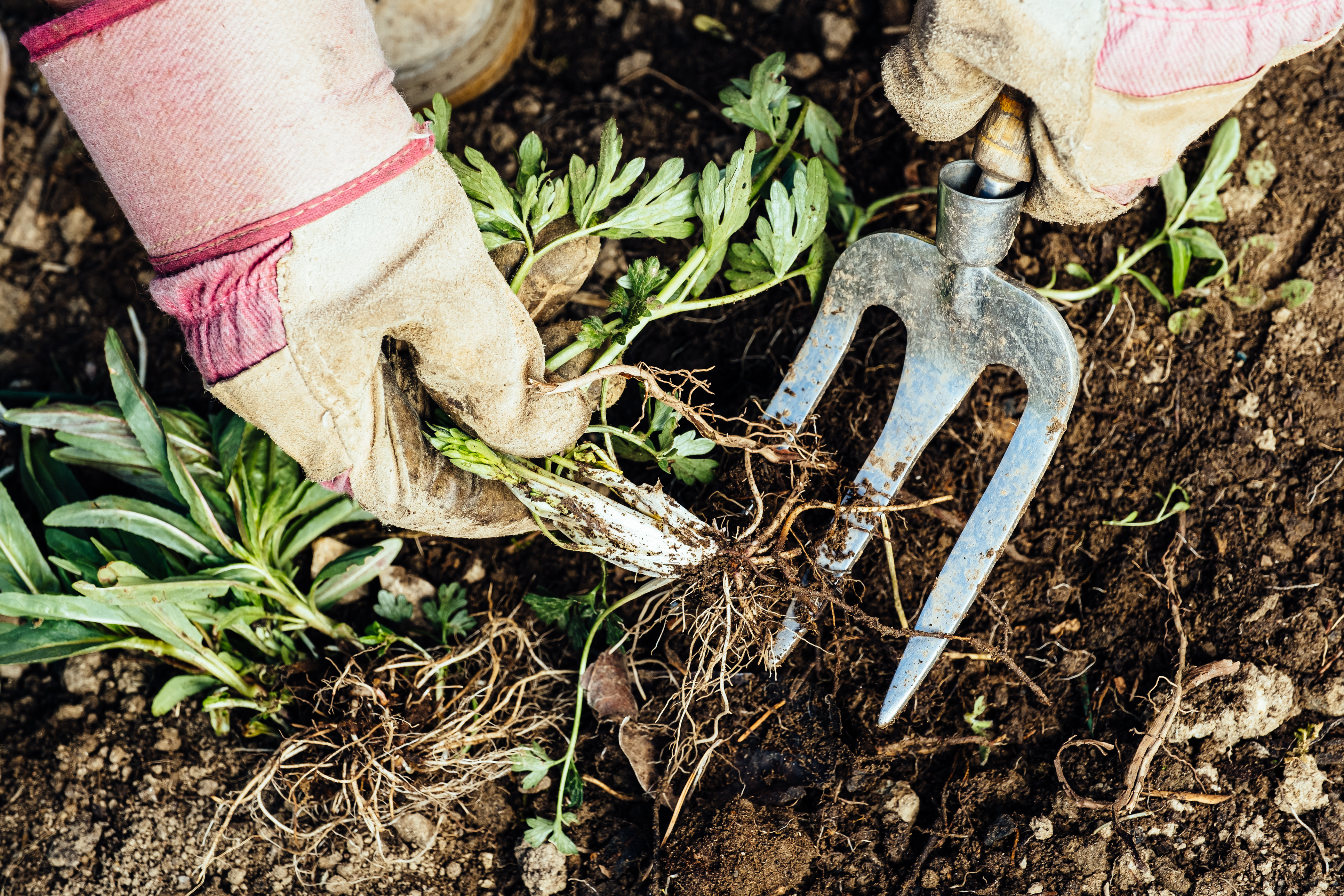
Types of Weeds
Weeds vary in form, with characteristics dictating the best control methods.
Annual weeds are typically easy to control, completing their life cycle within one growing season. They sprout from seeds and die after producing new ones, often becoming weedy if not managed properly. Examples include crabgrass and chickweed.
Perennial weeds, however, present more of a challenge due to their longer lifespan and extensive root systems.
| Characteristic | Description |
| Lifespan | Live for more than two years |
| Root System | Often extensive, allowing regrowth after foliage removal, which can contribute to a weedy environment if not managed. |
| Examples | Dandelion, clover, bindweed |
These weeds require methods that target the entire root to prevent regrowth.
The Impact of Weeds on Your Lawn
The presence of weeds in your lawn goes beyond mere appearance; it directly impacts the health and vitality of your grass. Weeds are formidable competitors, aggressively vying for the same water, nutrients, and sunlight that your desired turfgrass needs to thrive. This competition can lead to a weaker, thinner lawn, making it more susceptible to diseases and pests. Furthermore, certain weeds like clover can alter soil pH or host specific pests, indirectly affecting your lawn's overall health. Effective ways to get rid of weeds without herbicide are crucial for maintaining a dense, healthy lawn that can naturally outcompete unwanted vegetation.
Identifying Stubborn Weeds
Identifying stubborn weeds is a critical step in effective weed control. These are the weeds that seem to resist common removal methods, often due to their deep or extensive root system, or their ability to rapidly spread via runners or prolific seed production. Weeds like dandelion, with its deep taproot, or bindweed, with its creeping root system, require a more persistent approach to remove the entire root. Recognizing these resilient invaders, whether they are annual or perennial, allows you to tailor your weed killer strategy. Knowing the specific types of weeds in your lawn will help you choose the most effective ways to remove the entire root system and prevent them from returning.
Natural Ways to Kill Weeds

Homemade Natural Weed Killer Recipes
For those committed to a chemical-free garden, homemade natural weed killer recipes offer effective ways to kill weeds without resorting to harsh herbicides. These concoctions often harness the power of everyday household items, providing a targeted approach to control weeds. Creating your own natural weed killer allows for customization, ensuring that you're only using ingredients that are safe for your specific lawn and garden needs. The goal is to develop a solution that effectively kills the plants you don't want, ideally by removing the entire root, without negatively impacting your desired vegetation or the surrounding ecosystem.
Using Vinegar and Salt
A powerful and popular natural weed killer involves the combination of vinegar and salt. White vinegar, particularly horticultural vinegar with a higher acetic acid content, acts as a desiccant, drawing moisture out of the weed foliage and effectively killing the plants. When combined with salt, which dehydrates the plant tissue, this mixture becomes a potent non-selective weed killer, capable of getting rid of weeds permanently. It is crucial to use this spray carefully, targeting only the stubborn weeds you want to kill, as it can kill everything it touches, including desired lawn grass and garden plants. This method is especially effective on areas where weeds are growing in cracks or pathways where collateral damage to other plants is not a concern, ensuring the weeds will die without ruining your landscape.
 Soil Health Academy
Boiling Water as a Weed Killer
One of the simplest and most cost-effective natural ways to kill weeds is by using boiling water. This method provides an immediate and effective way to kill weeds naturally by scalding the plant's cells and disrupting its root system. Simply pour boiling water directly onto the weed foliage, ensuring it saturates the soil surface around the plant to reach the root. This is particularly useful for annual weeds that have shallow root systems and for weeds growing in paved areas or between pavers where you want to kill everything without affecting nearby plants. While effective for instantly killing weeds, especially younger seedlings, it may require repeated applications for perennial weeds to ensure you remove the entire root and prevent regrowth.
Effective Ways to Prevent Weeds

Preventing weeds from taking hold in your lawn and garden is often more effective and less labor-intensive than trying to get rid of them once they’ve established. A proactive approach to weed control can significantly reduce the need for reactive measures, including the use of any kind of weed killer. Implementing a combination of good lawn care practices, strategic mulching, and thoughtful plant selection creates a robust defense against unwanted vegetation and helps to kill weeds permanently. The goal is to create an environment where desirable plants thrive, naturally outcompeting stubborn weeds and making it difficult for weed seeds to sprout and grow. By focusing on prevention, you can maintain a healthy lawn without resorting to herbicides, saving you time and energy in the long run.
Lawn Care Practices to Prevent Weeds
Effective lawn care practices are your first line of defense in preventing weeds in your lawn. Proper mowing height is crucial; cutting your grass too short can stress the turf, making it more susceptible to weed invasion. Taller grass shades the soil, naturally suppressing weed seed germination and making it harder for weeds like crabgrass to sprout. Regular and appropriate fertilization provides your lawn with the nutrients it needs to grow dense and healthy, allowing it to outcompete weeds for resources. Additionally, proper irrigation ensures deep root growth for your grass, further enhancing its resilience against weed encroachment. A thick, healthy lawn is inherently better at keeping weeds at bay, making diligent lawn care an essential part of any successful weed prevention strategy without herbicide.
Mulching Techniques
Mulching is a highly effective way to prevent weeds from taking over your garden beds and around trees, serving as a natural barrier that can help kill the weed. A generous layer of organic mulch, such as wood chips, straw, or compost, creates a physical barrier that blocks sunlight, preventing weed seeds from germinating and emerging. This technique significantly reduces the need for manual weeding and helps to retain soil moisture, benefiting your desired plants. When applying mulch, ensure it is deep enough (typically 2-4 inches) to be effective, but avoid piling it directly against plant stems or tree trunks, as this can lead to rot. Mulch also slowly breaks down, enriching the soil and promoting a healthier environment for your plants, making it an excellent natural weed killer for stubborn weeds without chemical intervention.


Choosing the Right Grass Type
Selecting the appropriate grass type for your climate and soil conditions is a foundational step in preventing lawn weeds. Some grass varieties are naturally more resistant to common weed problems due to their density, growth habit, or tolerance to local conditions. For instance, dense, creeping grasses can form a tight turf that leaves little room for weed seeds to sprout. Consulting with local experts or nurseries can help you choose a grass type that will thrive in your specific environment, creating a robust, healthy lawn that naturally outcompetes weeds. A strong, well-adapted grass variety is a key component in a long-term strategy to keep weeds from establishing and spreading, reducing the need for aggressive weed control measures or herbicides.
Maintaining a Healthy Lawn

Proper Watering Techniques
Proper watering is a crucial component of any effective lawn care strategy aimed at preventing weeds and maintaining a healthy lawn. Deep, infrequent watering encourages your grass to develop a robust and extensive root system, making it more resilient and better equipped to compete with stubborn weeds for resources. In contrast, shallow, frequent watering can promote shallow root growth in your lawn while simultaneously encouraging the germination of weed seeds closer to the soil surface. Watering in the early morning is the best time to ensure the moisture penetrates deeply before evaporating, giving your turf the best chance to absorb it. This practice also allows the foliage to dry before nightfall, which helps prevent fungal diseases. Adjusting your irrigation schedule to suit the specific needs of your grass type and local climate is key to nurturing a thick, healthy lawn that naturally crowds out weeds and reduces the energy you’re willing to spend on weed control.
Fertilization for Weed Prevention
Strategic fertilization plays a vital role in weed control without the need for herbicides, helping to prevent weeds by strengthening your lawn. A well-nourished lawn grows densely, leaving less room and fewer resources for weedy seeds to sprout and establish themselves. Choose a slow-release fertilizer that provides a steady supply of nutrients over time, promoting consistent growth rather than sudden surges that can stress the grass. Applying fertilizer in the fall is often the best time, as it helps grass recover from summer stress and build reserves for the winter, leading to strong spring growth. A soil test can help determine the specific nutrient deficiencies in your lawn, allowing you to select the right blend of nitrogen, phosphorus, and potassium to foster a healthy, weed-resistant turf that can kill weeds permanently.
Regular Lawn Maintenance
Consistent and diligent regular lawn maintenance practices are fundamental in preventing weeds from taking over your landscape. Mowing at the correct height, typically higher than most people assume (around 2.5 to 3 inches), helps to shade the soil, keeping weed seeds from receiving the sunlight they need to germinate and ultimately kill the weed. This also encourages deeper roots for your grass, further enhancing its ability to outcompete weeds. Regular edging and trimming prevent weeds from creeping into garden beds or along pathways. Overseeding your lawn periodically, especially in the fall, introduces new grass plants that help fill in any bare spots, denying weeds an opportunity to establish. Timely removal of any small weed seedlings by hand as soon as they appear can prevent them from developing a strong root system, making future weed control much easier.

A healthy, weed-resistant lawn does not have to depend on herbicides. With the right combination of consistent mowing, proper watering, healthy soil, overseeding thin areas, and removing weeds by hand when needed, you can naturally reduce unwanted growth while building stronger grass over time. Natural lawn care often takes more patience than chemical solutions, but the long-term benefits can be worth the effort.
The best way to get rid of weeds without herbicide in your lawn is to focus on prevention first. Thick, healthy grass creates a natural barrier that leaves little room for weeds to spread. Small habits like adjusting your mowing height, improving soil quality, and staying on top of problem areas can make a noticeable difference season after season.
Creating a greener lawn naturally is not about finding one perfect trick. It is about building a routine that supports long-term lawn health. With consistency and a little persistence, you can enjoy a beautiful yard that stays healthier, looks fuller, and reduces weeds naturally without relying on chemical herbicides.