
Pet-Proofing Your Home: Safety Tips to Pet-Proof for Furry Friends & Childproofing

Pet-proofing your home is no longer just about protecting a playful puppy or curious kitten—it is also about creating a childproof and pet-proof space where everyone stays safe. Whether you are a first-time parent, a long-time pet owner, or someone bringing a pet into a household with kids, your goal is the same: reduce every hazard, limit home hazards, and create a calm home environment for your furry friend and your family.
When you pet-proof your home, you protect against common dangers that affect children and pets alike. Items that are harmless to adults—like cleaning products, open trash cans, or sharp edges—can become a serious choking hazard or poisoning risk to a child or pet.
According to the American Society for the Prevention of Cruelty to Animals (ASPCA), thousands of pets are treated every year for ingesting toxic household substances. You can review their safety guide here:
https://www.aspca.org/pet-care/animal-poison-control
This guide will walk you through 10 tips to keep your home safe using proven home safety tips, room-by-room strategies, and simple safety measures that steps help you pet proof and childproofing your living space.
Why Pet-Proofing and Childproofing Matter
Pet-proofing and childproofing go hand in hand because kids or pets explore the world the same way—by touching, tasting, and climbing. When pets can easily reach items on counters or in lower cabinets, the risk multiplies.
Common Home Hazards for Children and Pets
- Small objects that could cause a choking hazard
- Toxic to cats and dogs foods and plants
- Harmful chemicals from cleaning supplies
- Open doors and unsecured bedroom door access
- Sharp edges on furniture
A truly pet-proof home considers both kids and pets safe at all times.
10 Tips to Keep Your Home Childproof and Pet-Proof
These 10 tips to keep your household safe combine childproof and dog proof strategies that work for every family.
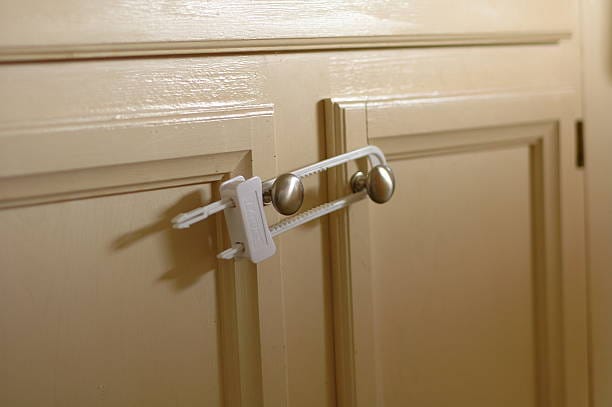
1. Install Childproof Latches on Cabinets and Drawers
Your cabinets and drawers hide major risks. From sharp tools to cleaning products, these areas need childproof latches and child-proof locks.
How to Pet-Proof Cabinets
- Use safety latches on lower cabinets
- Store chemicals behind closed doors
- Put them up high if possible
- Choose childproof locks that are difficult for children but easy for adults
This is one of the most effective ways to pet proof your home and prevent poisoning.
2. Secure Trash Cans and Food Waste
Uncovered trash cans are a huge hazard for both pets and children.
Pet-Proofing Trash Areas
- Use locking or motion-sensor lids
- Store trash inside a cabinet with childproof latches
- Keep compost bins in the laundry room or garage
Trash often contains toxic to cats and dogs foods like chocolate, onions, and bones.
3. Lock Down Cleaning Products
Cleaning products contain harmful chemicals from cleaning agents that can seriously harm a furry companion or child.
Safety Tips
- Store chemicals in locked cabinets
- Use child-proof locks
- Never leave supplies unattended
For more guidance, see the CDC safety guide:
https://www.cdc.gov/healthyhomes/cleaning
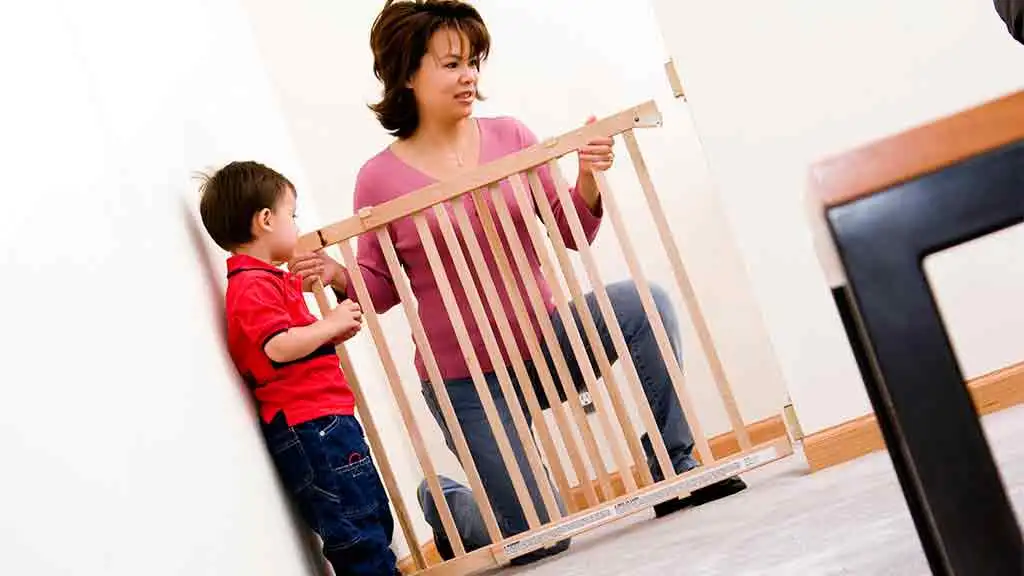
4. Use Safety Gates and Baby Gates
Baby gates, pet gates, and safety gate systems limit access to dangerous areas.
Best Areas for Gates
- Stairways to help prevent falls
- The laundry room
- Kitchens during meal prep
Use safety gates to protect kids and pets while still allowing visibility.
5. Install Outlet Covers and Door Knob Locks
Electrical Safety
- Use outlet covers
- Install door knob covers
- Keep open doors closed
This reduces risks of shock, escape, or injury.
6. Secure the Toilet Lid and Bathroom Supplies
The toilet lid is a hidden hazard. Pets may drink from it, and children may fall in.
Bathroom Safety
- Install childproof toilet locks
- Store medications in locked cabinets
- Keep razors and chemicals secured

7. Make House Plants Pet-Safe
Many house plants are toxic to cats and dogs.
Safe Plant Alternatives
- Spider plant
- Boston fern
- Areca palm
Check the ASPCA toxic plant list:
https://www.aspca.org/pet-care/animal-poison-control/toxic-and-non-toxic-plants
8. Prevent Choking Hazards Throughout the Home
Anything that can fit in a paw or mouth is a risk.
Remove
- Coins
- Batteries
- Small toys
- Rubber bands
These are common causes of choke and choking hazard emergencies.
9. Close Bedrooms and Secure Open Areas
A bedroom door left open may expose pets to cords, pills, or cosmetics.
Room Safety Tips
- Keep doors closed
- Use safety latches
- Secure cords and electronics
10. Prepare for a New Pet or Baby
When bringing a pet or baby home, re-check your home hazards.
Checklist
- Install childproof latches
- Lock trash cans
- Add pet gates
- Remove sharp edges
These steps help you pet proof and protect homes with young children.
Childproof, Hazard-Free Pet Proofing: 10 Tips to Keep Your Home Safe for a Child or Pet
Creating a childproof and pet-proof home is no longer optional for modern families. From open doors and electrical cords to sharp furniture and toxic foods, home hazards exist in every room. Whether you are welcoming a new pet, raising a toddler, or living in a home with both, your space must be dog proof, safe, and designed to protect every child or pet.
Effective pet proofing is about more than hiding shoes or moving trash cans—it is about understanding how a curious paw explores the world. For pet parents, safety means eliminating every hazard that could cause injury, poisoning, choking, or escape.
This guide shares 10 tips to keep your household protected while helping you pet-proof your home in a way that is simple, affordable, and realistic.
Why Pet Proofing Matters for Pet Parents
For pet parents, the goal of pet proofing is to prevent injuries before they happen. A single loose cord, pill bottle, or unsecured cabinet can quickly become a life-threatening hazard.
Dogs and cats investigate using their paw, nose, and mouth. This makes everyday items dangerous:
- Batteries
- Cords
- Cleaning chemicals
- Small toys
Every pet parent should assume that if an object is reachable by a paw, it is a risk.

Understanding Home Hazards for a Child or Pet
Many home hazards are invisible until an accident occurs. A dropped vitamin, a swinging door, or food scraps can all cause serious harm.
Common Hidden Hazards
- Open doors that allow escape
- Unsecured trash
- Electrical cords
- Cleaning sprays
- Sharp table edges
A safe home means every room is intentionally childproof and pet-proof.
10 Tips to Keep Your Home Childproof and Dog Proof
Below are 10 tips to keep your space safe using smart pet proofing strategies every pet parent can apply.
1. Block Dangerous Rooms with Pet Proofing Zones
The first step in pet proofing is limiting access. One curious paw in the wrong room can create a serious hazard.
Best Rooms to Restrict
- Laundry room
- Kitchen during cooking
- Storage areas
Use gates and door barriers so pet parents can control movement safely.
2. Close Open Doors at All Times
Open doors are one of the biggest risks for escape, injury, and loss. A single moment is enough for a dog or cat to run outside.
Pet Proofing Tip
Install door-closing springs or use self-latching hinges to protect every child or pet.
3. Remove Small Items Within Paw Reach
Anything that fits under a couch or in a paw can become a choking risk.
High-Risk Objects
- Coins
- Hair ties
- Batteries
- Toy parts
This is a key pet proofing rule all pet parents should follow.

4. Secure Cleaning Products from Curious Paws
A curious paw can knock over bottles that contain toxic chemicals.
Pet Proofing Rule
Always store cleaners in locked cabinets. This protects both children and pets from poisoning hazards.
5. Create a Safe Entry Zone for a New Pet
When introducing a new pet, limit their access at first. Controlled environments help them adjust safely.
Starter Area Setup
- Soft bed
- Water bowl
- Safe toys
This reduces stress for pet parents and prevents destructive behaviors.
6. Use Cord Covers and Outlet Shields
Cords attract chewing, and a single bite can cause burns or shock. Protecting cords is essential for effective pet proofing.
7. Store Food and Trash Securely
Food smells attract every curious paw. Trash and counters must be secured to prevent illness.
8. Watch Furniture Edges and Stability
Tip-over furniture and sharp corners are dangerous for a child or pet.
9. Check Floors Daily
Dropped pills, food, or toys create instant hazards for pets.
10. Maintain Your Pet Proofing System
Pet proofing is not a one-time task. It requires ongoing checks from responsible pet parents.


