
Prepare Your Garden for Spring: Prune Garden Bed for Growing Season

As spring arrives, the perfect time to prep your garden is now. Preparing your garden bed is essential for a successful growing season. From pruning perennials to enriching the soil, every step counts towards creating a thriving garden for the upcoming months, so begin planting as soon as conditions allow. This guide will walk you through the essential steps to ensure your garden is ready for spring, including preparing the soil.
Preparing Your Garden Bed for Spring
As spring arrives, it's time to prep your garden and give it a fresh start by preparing the soil properly. Start by clearing any debris and dead foliage from your garden bed. This allows sunlight to reach the soil and promotes new growth. Use garden tools to remove weeds and old mulch, ensuring a clean slate for your spring garden. With early spring approaching, make sure that you plan your garden and what new plants you want to add.
Understanding Soil Preparation
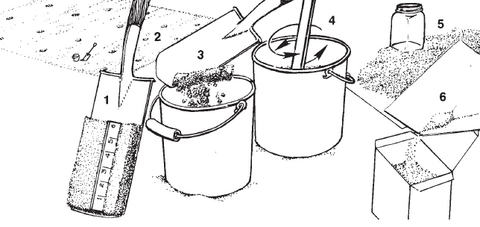
Soil preparation is vital for a thriving garden, especially when you're preparing the soil for new plants. A soil test can reveal its pH level and nutrient content, helping you check the soil moisture effectively. Knowing this, you can amend the soil accordingly and check the soil moisture to ensure optimal conditions. Healthy soil is the foundation for robust plant growth, ensuring your vegetable garden and perennial garden flourish. Understanding your soil structure ensures you can properly prepare your garden.

Choosing the Right Compost
Choosing the right compost is key to enriching your garden bed. Compost adds organic matter, improving soil structure and providing essential nutrients for hardy plant varieties. Whether you create your own compost pile or purchase compost, ensure it is well-decomposed. Compost helps to improve soil moisture and supports the growth of beneficial insects. Many gardeners use compost to ensure proper soil preparation.

Adding Compost to Enrich Your Soil
Adding compost is an excellent way to replenish nutrients in your garden soil. Spread a layer of compost over your garden bed and gently rake it into the soil to improve the soil level. This enriches the soil and provides a nutrient boost for your new plants, creating ideal growing conditions. Amending the soil with compost also improves drainage and aeration, essential for healthy root development for the entire growing season.
Pruning Techniques for a Fresh Start
Pruning Trees and Shrubs
As the growing season approaches, It's the perfect time to prune your trees and shrubs, ensuring they are hardy enough to withstand the upcoming season.. Pruning encourages new growth and helps maintain the shape of your plants. Use garden tools to remove dead or diseased branches, ensuring healthy trees and shrubs for your garden. Spring arrives, and it is the best time to start pruning as you prepare your garden. A good gardener understands that pruning is essential for vibrant plants.
Pruning Perennials for Healthy Growth
Pruning perennials is vital for promoting healthy growth and abundant blooms in your garden, especially for hardy varieties like hydrangeas.. Cut back dead or faded flowers to encourage new blooms, ensuring a beautiful perennial garden throughout the growing season. It is time to start pruning your perennials when spring arrives. As you prepare your garden, remember to remove any dead foliage and mulch to allow for healthy new growth.
The Importance of Pruning in a Vegetable Garden
In the vegetable garden, consider the growing conditions for each plant variety before planting. pruning is essential for maximizing yields and maintaining plant health. Remove suckers from tomato plants and prune leafy greens to encourage more productive growth. As you prepare your garden for spring, consider pruning your vegetable plants to ensure a bountiful harvest during the growing season. Use sharp garden tools to make clean cuts and support the overall health of your garden soil.
Starting Your Spring Garden Indoors

Starting Seeds Indoors: A Step-by-Step Guide
Late winter is the perfect time to start seeds indoors for your spring garden. Starting seeds indoors allows you to get a head start on the growing season. Use a soil test and choose a high-quality starting mix and follow instructions on the seed packets. Keep the soil moisture consistent and provide adequate light for healthy seedling development. Early April is the best time to start thinking about moving your new plants outdoors.
Choosing the Right Garden Tools
Having the right garden tools is essential for successful indoor gardening. Invest in small pots, trays, and a watering can for easy plant care. Ensure your garden tools are clean and well-maintained to prevent the spread of diseases. With the right garden tools, you can create a thriving indoor garden and prepare your garden for spring. Many gardeners consider this to be the time to start maintaining and sharpening their tools.

Creating a Compost Pile for Your Indoor Plants
Even indoors, you can create a compost pile for your plants. Use a small container to collect kitchen scraps and organic matter, creating nutrient-rich compost. This compost can then be used to fertilize your indoor plants, promoting healthy growth and improving the soil around them. A compost pile is a great way to recycle and provide essential nutrients for your indoor garden and your entire home garden. Many plants can thrive in soil with proper compost, which helps to overwinter in the soil effectively.
Planning Your Spring Garden Layout

Designing Your Garden Bed for Optimal Growth
Designing your garden bed is crucial for optimal growth. Consider the sunlight exposure and soil conditions when planning your layout. Group plants with similar needs together to ensure they thrive. Incorporate companion planting to attract beneficial insects and deter pests and prepare your garden for spring. A well-designed garden bed enhances both the beauty and productivity of your garden. The gardener should always use a soil test to ensure proper soil preparation.
Incorporating Mulch for Soil Health
Mulch is an excellent addition to your garden bed, promoting soil health and moisture retention. Apply a layer of organic mulch around your plants to suppress weeds and regulate soil temperature. Mulch also breaks down over time, adding organic matter to the soil and enriching it with essential nutrients. As you prepare your garden, consider incorporating mulch for healthy soil and happy plants in the garden soil.
Using Fertilizer for a Productive Growing Season
Fertilizer is essential for a productive growing season in your spring garden. Choose a fertilizer that is appropriate for your plants and follow the instructions carefully. Fertilizing your garden bed ensures that your plants receive the necessary nutrients for healthy growth and abundant blooms. As you plan your garden, consider the fertilizer needs of your plants and how to best replenish the soil and prepare your garden for spring.


