
10 Ways to Keep Your Home Cool in Hot Weather

Keeping your home cool during hot weather is crucial for comfort and well-being. This guide explores various strategies, from simple adjustments to significant upgrades, to help you maintain a comfortable indoor environment without breaking the bank.
Understanding How to Keep Your Home Cool
The Importance of Keeping Your Home Cool
Keeping your home cool in hot weather is paramount for several reasons, extending beyond mere comfort. Prolonged exposure to high indoor temperatures can lead to heat stress, dehydration, and even more severe health issues, especially for vulnerable populations such as the elderly, young children, and those with pre-existing medical conditions. A consistently cooler home also contributes to better sleep quality and overall mood, creating a more pleasant living environment for all occupants.
How Hot Weather Affects Indoor Temperatures
Hot weather significantly impacts indoor temperatures primarily through solar heat gain and the transfer of heat from warmer outdoor air. Direct sunlight shining through windows is a major culprit, allowing solar radiation to heat interior surfaces and the air within your home. Additionally, heat radiates through walls, roofs, and poorly insulated areas, gradually increasing the indoor temperature. Without effective strategies to combat this, your home can quickly become uncomfortably warm, making it challenging to keep your home cool.
Benefits of Keeping Your House Cool
The benefits of keeping your house cool are extensive and impactful. Foremost, it significantly enhances comfort and provides a much-needed sanctuary from the oppressive heat outside, allowing you to relax and sleep better. Furthermore, a cooler home can lead to substantial reductions in your energy bill by lessening the reliance on energy-intensive air conditioning. It also helps preserve the longevity of appliances and electronics, as they operate more efficiently in cooler conditions, demonstrating a smart way to keep your home comfortable and cost-effective.
Effective Tips to Keep Your Home Cool

Utilizing Blinds and Curtains to Block the Heat
One of the simplest yet most effective ways to keep your home cool is by strategically utilizing blinds and curtains. During the hottest parts of the day, when direct sunlight is at its peak, closing your blinds and curtains can significantly reduce the amount of solar heat entering your home. Thermal curtains, in particular, offer superior insulation, acting as a barrier against the sun's rays and helping to keep your indoor temperatures much cooler. This preventative measure is crucial in maintaining a comfortable indoor environment and reducing the need for intensive cooling, which helps keep your energy bill down.
Ways to Use Fans for Better Air Flow
Fans are incredibly versatile tools for improving air flow and can be a great way to keep your home cool without constantly running an air conditioner. Positioning a fan near an open window can help draw cool air from outside into your home during cooler evenings, creating a pleasant breeze. Conversely, placing a fan facing outward from an open window can help expel warm air, effectively ventilating a room. For optimal effect, consider using multiple fans to create a cross-breeze, which helps circulate cool air throughout your home, ensuring that you can keep cool even when temperatures rise.


Strategies for Cooling Your Home Without Air Conditioning
Cooling your home without air conditioning requires a combination of smart strategies to keep your home cool naturally. Beyond blinds and fans, consider opening windows on opposite sides of your home during the cooler evening and early morning hours to create a natural air flow that helps cool your home. Investing in proper insulation for your attic and walls can also significantly reduce heat transfer, keeping your house cool. Additionally, using evaporative coolers in drier climates can be an energy-efficient way to introduce cool air into your home, helping you manage the heat without relying on energy-intensive air conditioning systems.
Maximizing Energy Efficiency to Keep Your House Cool

How Appliances Affect Your Energy Bill
Appliances play a significant role in how much energy your home consumes, directly impacting your energy bill and overall indoor temperature. Many household appliances, especially older models, generate a substantial amount of heat during operation, contributing to a warmer indoor environment. Running high-heat appliances like ovens, dishwashers, and dryers during the hottest parts of the day can make it much harder to keep your home cool. By being mindful of when and how you use these items, you can reduce their heat output and help keep your house cool, simultaneously lowering your energy consumption.
Creating a Breeze with Strategic Air Flow
Creating a consistent breeze within your home is a vital strategy for maintaining a cool and comfortable environment, thereby helping to keep your home cool. Strategic air flow involves more than just turning on a fan; it’s about understanding how air moves through your living space. Opening windows on opposing sides of your home can facilitate a cross-breeze, effectively flushing out warm air and introducing cooler air. Utilizing a freestanding fan or a portable unit can further enhance this air movement, directing cool air where it’s most needed and helping to cool your body as well as the room.
Using Ceiling Fans Effectively
Ceiling fans are an excellent, energy-efficient way to keep your home cool, particularly when used correctly. In warmer weather, ensure your ceiling fan blades are rotating counter-clockwise, which pushes cool air down, creating a wind-chill effect that can make a room feel significantly cooler. While they don't lower the room's temperature, they make you feel more comfortable, often allowing you to set your thermostat a few degrees higher and reduce your energy bill. Remember to turn them off when you leave a room, as they cool people, not spaces, ensuring efficient operation to keep your house cool.
Innovative Methods to Help Cool Your Home

Sealing Gaps to Prevent Hot Air Infiltration
One of the most effective strategies to help cool your home and reduce your energy bill is to address any gaps or cracks that allow hot air to infiltrate your living space. Small openings around windows, doors, and even electrical outlets can act as conduits for warm air to enter, making it challenging to keep your home cool. By sealing these gaps with caulk, weatherstripping, or foam insulation, you can prevent unwanted heat transfer, maintaining a more consistent and cooler indoor temperature. This simple upgrade can significantly enhance your home's insulation and contribute to a more comfortable environment, helping to keep your home cool naturally.
Incorporating Solar Solutions for Natural Cooling
Incorporating solar solutions extends beyond just generating electricity; they can also play a crucial role in natural cooling to help cool your home. One innovative way is through the strategic placement of external shading devices, such as awnings or pergolas, that block direct sunlight from shining onto windows and walls during the hottest parts of the day. Solar-powered attic fans are another excellent option, as they expel trapped hot air from your attic, preventing it from radiating down into your living spaces. These methods leverage solar energy to reduce solar heat gain, lessening the burden on your air conditioning and helping to keep your home cool efficiently.
 American Lung Association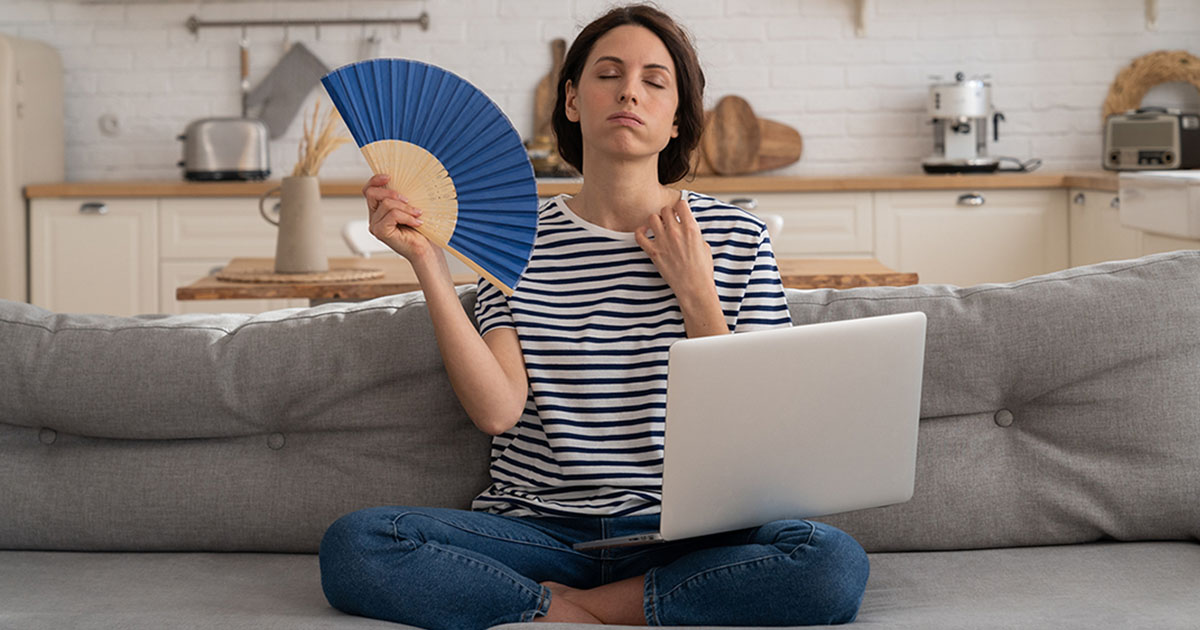
Utilizing UV Protectant Features
Utilizing UV protectant features is an often-overlooked yet highly effective way to keep your home cool, particularly against the intense summer sun. Installing window films that block harmful UV rays can drastically reduce the amount of solar heat entering through your windows without significantly impacting natural light. These films act as a barrier, preventing the sun's energy from warming up your indoor surfaces and air, which makes it easier to maintain a cooler environment. This helps to keep your house cool and also protects your furniture and flooring from sun damage, offering a dual benefit in maintaining a comfortable and preserved home.
Adjusting to Getting Hotter Weather

Preparing Your Home for Warmer Days Ahead
As the weather gets hotter, preparing your home in advance is key to maintaining comfort and keeping your home cool. This involves several proactive measures, such as inspecting and upgrading your insulation, especially in the attic, to prevent heat from seeping in. Cleaning or replacing air conditioning filters ensures your system runs efficiently when needed, helping it to circulate cool air more effectively. Additionally, consider planting deciduous trees or shrubs strategically around your home to provide natural shade against direct sunlight during the warmer months, contributing significantly to a cooler indoor environment.
Maintaining a Comfortable Environment as Temperatures Rise
Maintaining a comfortable environment as temperatures rise requires ongoing vigilance and adaptation to keep your home cool. Beyond initial preparations, consistently utilizing your blinds and curtains to block the sun during peak hours is crucial. Regularly checking and sealing any new gaps that may form can also prevent hot air infiltration. Employing ceiling fans in conjunction with your air conditioning can create a wind-chill effect, allowing you to set your thermostat a few degrees higher while still feeling cool. These daily practices are essential tips to keep your home cool and your energy bill manageable.


Long-Term Strategies to Keep Your Home Cool
For enduring comfort as temperatures continue to get hotter, long-term strategies are essential to keep your house cool. Investing in energy-efficient windows, such as double or triple-pane glass with low-e coatings, can dramatically reduce heat transfer and significantly lower your energy bill. Upgrading to a more efficient air conditioner or even considering alternative cooling systems like geothermal can provide superior and sustainable cooling. Proper landscaping with shade trees and reflective roofing materials are also excellent long-term solutions that will continually help cool your home, ensuring a comfortable living space for years to come.