
Power Outage Preparedness: Tips to Prepare for an Outage

Being prepared is crucial when electrical power goes out unexpectedly. This article provides essential tips to prepare for a power outage, ensuring your safety and comfort. Outage preparedness involves several key aspects, including:
- Understanding the causes and types of power outages.
- Knowing how to mitigate their impact.
Let's explore how to prepare and what to do when the power is restored.
Understanding Power Outages
What Causes an Outage?
A power outage can stem from various factors, from severe weather affecting the power lines to equipment failure. Sometimes, public safety power shutoff events are implemented to prevent wildfires during dry and windy conditions. Understanding the common causes helps in better outage preparedness and allows you to anticipate potential outages in your area. Knowing these causes will help you prepare for a power outage.
The Importance of Outage Preparedness
Outage preparedness is paramount because many aspects of modern life rely on electricity. Medical devices, refrigerators, and communication systems depend on a consistent power supply. Extended power outages may impact access to essential services and affect public safety. Having a plan and necessary supplies can significantly ease the burden during an extended outage and ensure the well-being of your household. Tips to prepare for a power outage will help with your safety.

Types of Power Outages
Power outages vary in duration and scope. They can range from momentary flickers to extended outages that may impact the whole community. Knowing the potential duration helps in prioritizing resources. A short outage might only require a flashlight, while an extended outage necessitates backup power and strategies to keep food cold. Prepare for a power outage depending on the potential length.
Essential Tips to Prepare for a Power Outage

Creating an Emergency Kit
One of the most crucial tips to prepare for is to create an emergency kit. This kit should include essential items such as a flashlight, batteries, a first-aid kit, and a supply of non-perishable food. A power bank for charging mobile devices is also invaluable. This kit ensures you have the basic necessities when the electrical power goes out unexpectedly during an outage, especially as extended power outages may impact access to supplies.


Staying Informed During an Outage
Staying informed is key during a power outage. Have a battery-powered or hand-crank radio to listen to updates from local authorities. Ensure you have a list of emergency contact information readily available. Knowing what's happening can help you make informed decisions and maintain public safety during outages. This is especially important as outages may impact the whole community and its services.

Preparing Your Home and Appliances
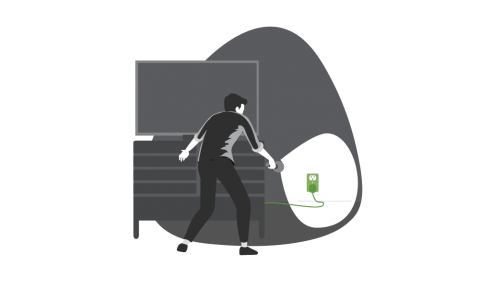
Before an outage occurs, prepare your home with a few key steps. This includes:
- Unplugging sensitive electronics to protect them from power surges when the power is restored.
- Knowing how to manually open electric garage doors.
- Having backup power sources ready if you rely on electricity for medical devices.
These steps ensure safety and minimize potential damage. Following these tips to prepare will assist in mitigating the impact of an outage.
Utilizing Generators Safely

Choosing the Right Generator
If you are considering a generator as part of your outage preparedness plan, choosing the right one is crucial. Consider your power needs. Will you need to power medical equipment, keep food cold, or run essential appliances? Ensure the generator has enough capacity to handle your requirements. Generator preparedness is a key aspect to consider for extended power outages.
Generator Safety Tips
Generator safety is paramount to prevent carbon monoxide poisoning and electrical hazards. Always operate the generator outdoors in a well-ventilated area, far away from windows and doors. Never connect a generator directly to your home's electrical system without a transfer switch. These safety tips to prepare for a power outage are essential for your public safety during an outage.
 Brianne Deerwester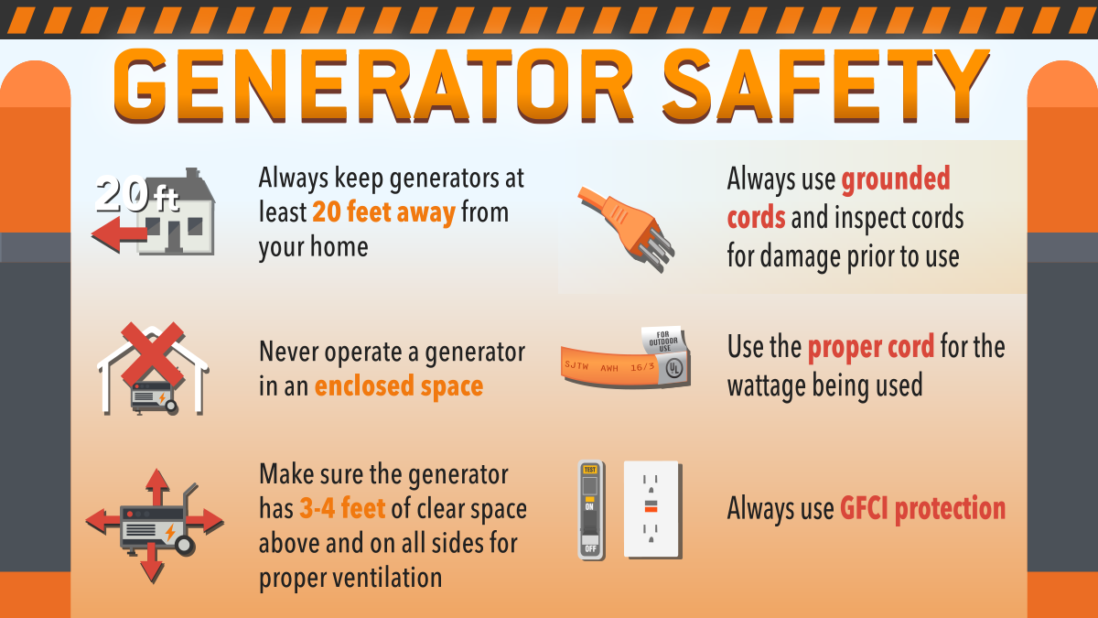
Connecting Your Generator
Properly connecting your generator is crucial. A transfer switch allows you to safely connect the generator to your home's electrical system, preventing backfeeding into the power lines, which can endanger utility workers. If you are unsure, hire a qualified electrician to install the transfer switch. This is critical for your safety and public safety during an extended outage.
Special Considerations for Extended Outages

Managing Food Storage in Your Freezer
During extended power outages, managing food storage, especially in your freezer, is critical. A full freezer will keep food cold longer than a partially filled one. Try to avoid opening the freezer or refrigerator to keep food cold as long as possible. If the outage is expected to last more than four hours, have a plan to transfer perishable items to a cooler with ice or consider alternative storage. Knowing tips to prepare for this is important.
Preparing Medical Equipment Needs
If you or a family member rely on electricity for medical equipment, outage preparedness is paramount. Ensure you have backup power options, such as a generator or battery backup, specifically for these devices. Contact your medical equipment provider to understand how long the equipment can function on battery power and what steps to take during extended power outages. Preparing for this is crucial for health and safety.
Planning for Public Safety Power Shutoffs
In areas prone to wildfires, public safety power shutoff events are sometimes implemented to mitigate fire risks. These are pre-emptive outages that may impact the whole community. Stay informed about potential shutoffs through local news and utility notifications. Have a plan in place, as part of your outage preparedness, to cope with these planned power outages, ensuring you have backup power and essential supplies at hand.


Staying Safe During a Power Outage
What to Do If You Encounter Downed Power Lines
Downed power lines are extremely dangerous, especially when the electrical power goes out unexpectedly and they are difficult to see. Always assume that downed power lines are live and pose a significant electrical hazard. Stay far away and immediately report downed power lines to the authorities or your utility company. Never attempt to move or touch them, as electrocution can occur.
Using Mobile Phones Wisely
During a power outage, mobile phones are essential for communication and staying informed. However, battery life can be a concern. Conserve your phone's battery by limiting non-essential usage, turning off location services, and using power-saving mode. A power bank can be invaluable for recharging your phone during extended power outages. Keep contact information written down in case your phone runs out of battery.

General Safety and Preparedness Tips
Beyond specific actions, general safety and preparedness are essential. Have flashlights readily available. Never use candles for lighting, as they pose a fire risk. Ensure carbon monoxide detectors are functioning, especially if you are using a generator. Do not use a stove or oven to heat your home, as it can lead to carbon monoxide poisoning. These simple tips to prepare can significantly enhance your safety during a power outage.