How to Meet Your New Neighbors (and Welcome New Ones)
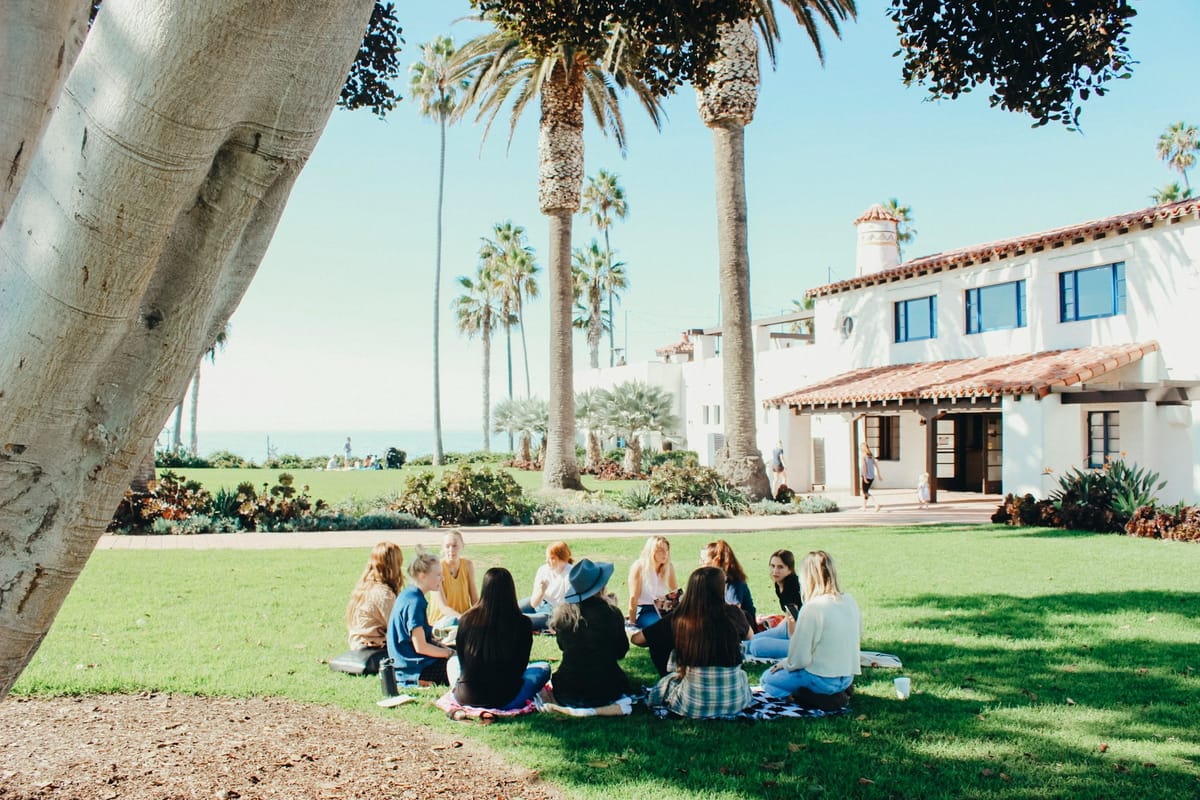
Knowing a few neighbors by name makes daily life easier. Someone can grab your packages, tell you which day the recycling goes out, or notice if something looks wrong at your house while you are away. It does not take a big gesture. Most neighbor friendships start with a wave, a short hello and a second conversation a week later.
This guide has two parts: what to do when you are the new neighbor, and how to welcome someone who just moved in near you.
When you are new to the neighborhood
The first few weeks in a new neighborhood are the easiest time to meet people, because everyone expects you to introduce yourself. Here are low-pressure ways to get started.
Say hello the simple way
The most reliable way to meet your new neighbors is to be outside. Get the mail, sweep the porch, water the plants, walk the dog. When you see someone, say hello and give your first name and which house is yours: "Hi, I'm Dana, we just moved into the blue house." Ask one easy question, like where they get their hair cut or which pizza place delivers. People like being asked for local advice.
Write names down after you meet people. It is normal to forget a name after a busy moving week, and it is easier to ask again early than six months later.
Introductions for introverts
If knocking on doors feels like too much, there are quieter ways to get to know your neighbors:
- Leave a short note in mailboxes or on doors with your names, your house number and a phone number or email if you are comfortable sharing it.
- Join the neighborhood email list, online group or homeowners association and post a quick hello.
- Walk the neighborhood at the same time each day. Regular faces turn into nods, and nods turn into conversations.
- Go to one local event: a park cleanup, a library program, a school fundraiser or a farmers market.
Host something small
A housewarming party is a classic way to meet everyone at once, but it does not have to be a full party. A porch open house for two hours on a Saturday afternoon, with coffee and store-bought cookies, is enough. Drop invitations at the houses on either side and across the street a week ahead. Keep it short and casual so people can stop by without committing to an evening.
Get involved
If your area has a Neighborhood Watch group, joining is a good way to meet people who care about the block. National Neighborhood Watch, a division of the National Sheriffs' Association, has supported local groups since 1972 and works through local law enforcement. If there is no group, your police department or sheriff's office can tell you how to start one. Many neighborhoods also have garden clubs, walking groups or a community board on a local app.
How to welcome a new neighbor
If you see a moving truck next door, you are in the best spot to make someone feel at home. Give them a day or two to unload, then stop by.
Bring something useful
A small gift makes the first knock less awkward. The most useful gifts are things people need in the middle of unpacking:
- A short list of local basics: trash and recycling days, the nearest hardware store, a good pediatrician or vet, and your phone number.
- A plant, a roll of paper towels and a box of garbage bags, or a gift card for a local takeout place.
- A note with your names and house number if no one answers the door.
Food gifts and allergies
Homemade cookies or bread are a classic welcome, but you do not know who in the house has a food allergy. Put a small label on any food gift listing what is in it. The FDA names nine major food allergens: milk, eggs, fish, crustacean shellfish, tree nuts, peanuts, wheat, soybeans and sesame. Sesame is the newest one on the list, so older allergy lists and recipe cards may leave it out. Tell them on the label if your kitchen also handles nuts. A store-bought treat in sealed packaging, which already carries an ingredient label, is a good choice when you are not sure.
Invite them to something
The second contact matters more than the first. Invite your new neighbor to something easy within a few weeks: a backyard cookout, a walk, or the next block gathering. Offer specific help, like the name of your plumber or a spare ladder to borrow, rather than "let me know if you need anything."
Plan a block party
A yearly block party is one of the easiest ways for a whole street to meet new people at once. A few things to plan:
- Permits: closing a street usually requires a permit from your city or county, and rules on barricades, grills, music and hours vary. Call your city clerk or public works office or check its website a month or more ahead.
- Food: make it a potluck and ask everyone to label dishes with major allergens.
- Name tags: add house numbers to the tags so people can match faces to homes.
- Contact sheet: pass around an optional sign-up for a street phone or email list.
Respect boundaries
Not everyone wants a close neighbor friendship, and that is fine. Some people are private, work nights or are busy with family. A friendly wave and a willingness to help in an emergency still make a street feel like a neighborhood. Once you know a few neighbors, ask one to keep an eye on your place when you travel. Our vacation prep checklist covers what to ask them to do. If you are still in the middle of a move, our guide on decluttering before moving can help you unpack faster so you have time to say hello.
Sources: National Neighborhood Watch, National Sheriffs' Association (nnw.org); U.S. Food and Drug Administration, Food Allergies.