Home Electrical Safety: Prevent Electrical Hazards at Home

Welcome to our comprehensive guide on home electrical safety! Electricity is an integral part of our daily lives, powering our homes and making our lives more convenient. However, it can also pose significant risks if not handled properly. This article aims to provide you with essential information and practical tips to prevent electrical hazards, ensuring the safety of your home and loved ones. From understanding common electrical hazards to implementing preventive measures, we'll equip you with the knowledge to create a safer living environment.
Understanding Electrical Hazards
What is an Electrical Hazard?
An electrical hazard is a dangerous condition where contact with electricity could result in electrical shock, electrical fire, or even electrocution. These hazards can arise from faulty wiring, damaged electrical appliances, or misuse of electrical equipment. Understanding what constitutes an electrical hazard is the first step in preventing home electrical hazards. It’s crucial to recognize the potential dangers associated with electricity to protect yourself and your family. Always be vigilant and take proactive measures to mitigate risks and ensure electrical safety at home.
Common Electrical Hazards in Your Home
Here are some common electrical hazards frequently found in homes. These include:
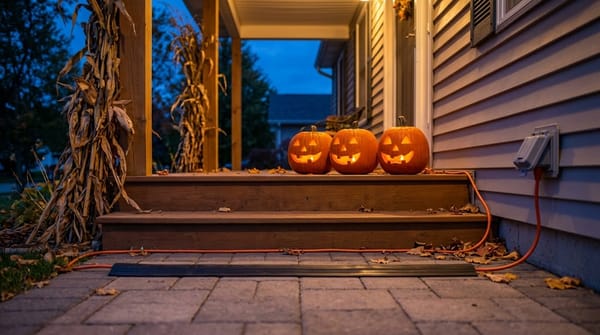
- Overloaded electrical outlets and extension cords
- Damaged or frayed electrical wiring
Other risks involve the dangerous combination of water and electricity. Faulty appliances, incorrect wattage bulbs, and a lack of ground fault circuit interrupters (GFCIs) in wet areas can also contribute to electrical issues in a home. Recognizing these potential hazards is key to taking preventative measures.

Identifying Hazards in Your Home
To prevent electrical hazards effectively, it is crucial to regularly inspect your home for potential risks. This includes several key checks:
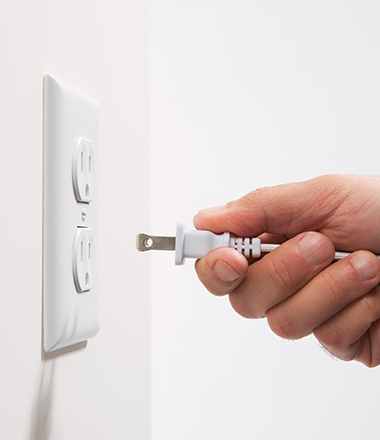
- Check electrical outlets for signs of damage or overheating.
- Examine electrical cords and extension cords for fraying or cracks.
Also, ensure that GFCIs are installed in bathrooms, kitchens, and outdoor areas to protect against electrical shock. Look for signs of overloaded circuits, such as frequently tripping circuit breakers or flickering lights. If you notice any issues with your electrical system or electrical appliances, it's best to consult a qualified electrician to assess and rectify the problem promptly, ensuring electrical safety.

Electrical Safety Tips
Essential Safety Tips for Homeowners
Several essential safety tips can help homeowners maintain a safe electrical environment. To help prevent electrical hazards, it is important to:
- Regularly inspect electrical cords and electrical outlets for damage.
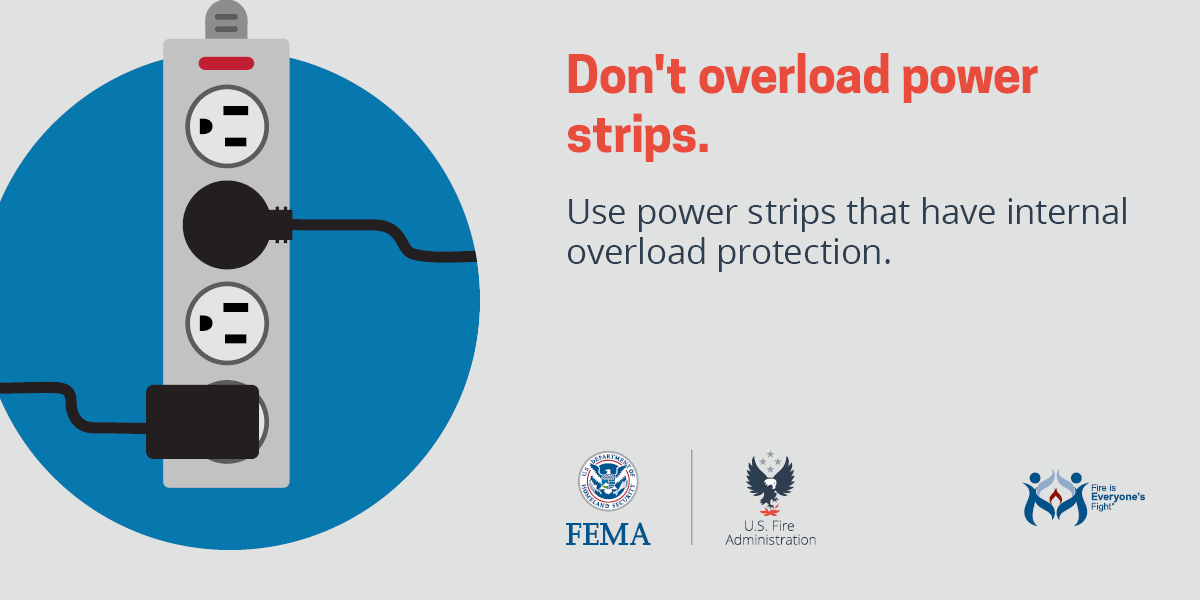
- Never overload extension cords or electrical outlets.
- Ensure that all electrical appliances are in good working condition and used according to the manufacturer's instructions.
- Install ground fault circuit interrupters (GFCIs) in areas where water and electricity could mix, such as bathrooms and kitchens.
These simple precautions can significantly reduce the risk of electrical hazards.
Using Electrical Devices Safely
Safe usage of electrical devices is paramount in preventing electrical hazards. Always unplug appliances when not in use to conserve energy and minimize the risk of electrical shock. Avoid using electrical appliances near water sources. Ensure that electrical cords are not frayed or damaged, and never attempt to repair them yourself; instead, consult a qualified electrician. Use the correct wattage bulbs for your light fixtures to prevent overheating and potential fire hazards. By following these guidelines, you can significantly reduce the risk of home electrical hazards.
Understanding Circuit Breakers and GFCIs
Understanding circuit breakers and GFCIs is crucial for maintaining electrical safety in your home. Circuit breakers are designed to protect your electrical system from overload by tripping and cutting off the electrical service when a circuit is overloaded. GFCIs, or ground fault circuit interrupters, protect against electrical shock by monitoring the current flowing through a circuit and quickly cutting off power if a ground fault is detected. Regularly test your GFCIs to ensure they are functioning correctly. Knowing how these devices work can help you prevent home electrical hazards and protect yourself from electrical shock.

Preventing Electrical Hazards
Ways to Prevent Home Electrical Hazards
There are several simple ways to prevent home electrical hazards. Regularly inspect your home for potential hazards, such as frayed electrical cords or damaged electrical outlets. Avoid overloading electrical outlets and extension cords. Always unplug electrical appliances when they are not in use. Make sure to replace any damaged electrical wiring promptly and consider installing arc-fault circuit interrupters to protect against electrical fires. By following these simple precautions, you can greatly reduce the risk of home electrical hazards and maintain electrical safety at home.
Tips to Prevent Electrical Fires
To effectively prevent electrical fires, it's crucial to adopt proactive fire safety measures. Never overload circuits or extension cords, as this can cause wires to overheat and ignite surrounding materials. Ensure that all electrical appliances are in good working condition and used according to manufacturer instructions. Regularly check electrical cords for fraying or damage, replacing them immediately if any issues are found. Install smoke detectors on every floor of your home and test them regularly to ensure they are functioning properly. By following these tips, you can significantly reduce the risk of electrical fire hazards.
Protecting Yourself from Electrical Hazards
Protecting yourself from electrical hazards involves taking proactive steps to ensure your safety around electricity. Always assume that all electrical wiring and equipment is live and potentially dangerous. Avoid contact with water and electricity, and never use electrical appliances near water sources. Wear appropriate personal protective equipment, such as insulated gloves and footwear, when working with electricity. If you encounter a downed power line, stay away and report it to the electrical service immediately. Remember, electrical safety is paramount, and taking these precautions can help prevent electrical shock and electrocution.

When to Call a Qualified Electrician
Signs You Need Professional Electrical Service
Several signs indicate the need for professional electrical service. If you experience frequent circuit breaker trips, flickering lights, or burning smells coming from electrical outlets or appliances, it's time to call a qualified electrician. Other warning signs include loose or sparking electrical outlets, frayed electrical cords, or any instance of electrical shock. Attempting to fix these issues yourself can be dangerous; a licensed electrician has the expertise and tools to diagnose and repair electrical problems safely and effectively. Addressing these issues promptly can prevent electrical fire and ensure electrical safety at home.
The Importance of Regular Electrical Inspections
Regular electrical inspections are crucial for maintaining a safe electrical system in your home. A qualified electrician can identify potential hazards, such as faulty wiring, overloaded circuits, or outdated electrical components, before they lead to electrical fire or other serious problems. During an inspection, the electrician will assess the condition of your electrical wiring, electrical outlets, circuit breaker panel, and other electrical equipment, ensuring they meet current safety standards. Investing in regular electrical inspections can help prevent electrical hazards and protect your home and family from electrical shock and fire hazards.

Choosing a Qualified Electrician
When choosing an electrician, it's essential to select a qualified professional with the necessary skills and experience to handle your electrical needs safely and effectively. Look for an electrician who is licensed, insured, and bonded, and who has a proven track record of providing high-quality electrical work. Check online reviews and ask for references to gauge their reputation and customer satisfaction. Be sure to discuss the scope of the project, obtain a written estimate, and verify that they adhere to all local electrical codes and regulations. Hiring a qualified electrician ensures that your electrical work is done safely and correctly, protecting your home and family from electrical hazards and potential electrical shock.