
Maximize Small Space: Design Tips for Tiny Home Living

Living in a small space presents unique design challenges, but with the right approach, you can maximize every inch and create a comfortable living environment. Whether you're in a tiny home, small apartment, or studio apartment, the key is to make smart design choices that enhance space and functionality. This article provides tips and tricks for maximizing small spaces, focusing on ways to make the space feel larger and more livable. By optimizing your living area, you can transform a potentially cramped environment into an airy, open, and inviting home.
Maximizing Space in a Small Home
Understanding the Importance of Space Optimization
Space optimization is crucial when you’re trying to make the most of limited space. In a small home, every square footage counts, and how you utilize that space can dramatically impact the room feel and overall comfort. Understanding the importance of space optimization allows you to design a living space that is not only functional but also aesthetically pleasing. Effective optimization prevents a small space feel, ensuring that your home remains a sanctuary rather than a source of stress. By thoughtfully planning furniture arrangements and implementing smart design choices, you can enhance your living space and create a comfortable living environment.
 Extra Space Storage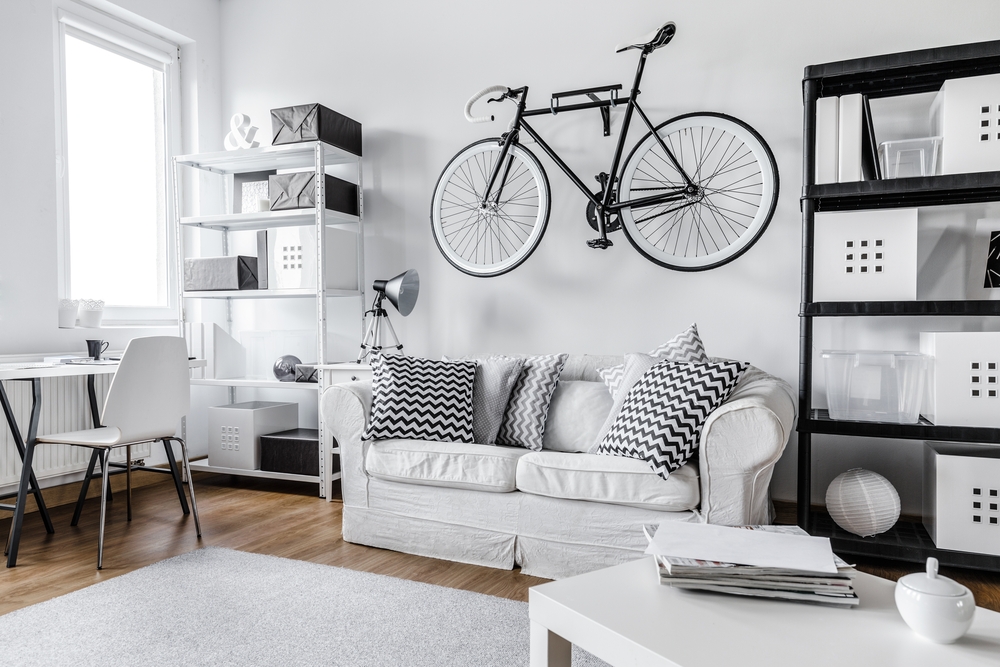
Declutter: The First Step to Maximizing Small Spaces
The first and most critical step in maximizing small spaces is to declutter. Clutter can quickly make a small room feel cramped and disorganized, negating any other design efforts. Decluttering involves removing items that are unnecessary or no longer serve a purpose. By decluttering, you free up valuable floor space and create a sense of openness. Embrace a minimalist approach, focusing on essential items that contribute to the functionality and aesthetics of your home. Regular decluttering is essential for maintaining a tidy and comfortable living space, especially when living in a small space. This makes the space feel larger and more inviting, setting the stage for effective space optimization.

Get Creative with Home Design
Here's how to make the most of a small space using creative design ideas. There are several strategies you can consider to maximize your area:
- Utilizing vertical space with shelves and wall-mounted cabinets keeps items off the floor and creates the illusion of height.
- Incorporate multi-functional pieces of furniture, such as murphy beds or storage ottomans, to serve multiple purposes without taking up excessive room.
Room dividers can also help define different zones within your home, creating distinct areas for sleeping, working, or relaxing. By embracing creative home design solutions, you can transform a small room into a unique and efficient living space.
Design Tips for Small Living Rooms

Utilizing Vertical Space for Storage
One of the top tips for maximizing small spaces, particularly in a small living room, is to utilize vertical space. Instead of spreading furniture horizontally, think upwards. Install shelves and wall-mounted cabinets to store books, decor, and other essentials. This draws the eye upwards, creating the illusion of height and making the space feel larger. Built-in units can be particularly effective, offering seamless storage solutions that don’t eat into valuable floor space. Consider tall, narrow bookshelves or a floor-to-ceiling shelving unit to maximize storage without making the room feel cramped. This interior design trick can transform the room feel of any small home.
Maximize Natural Light in Your Living Area
Natural light can dramatically impact how a living space feels, especially in a small apartment or tiny home. Maximize natural light by keeping windows clear and unobstructed. Use sheer curtains or blinds that allow sunlight to filter through while maintaining privacy. Strategically placed mirrors can also amplify natural light, reflecting it around the room and making the space feel larger and more airy. Avoid heavy drapes that block light and make a small room feel even smaller. By optimizing natural light, you can create a bright and inviting living area that enhances the room feel and makes your small home feel more spacious and comfortable.
 The Interior Design Institute
Room Ideas for a Cozy Small Living Room
Here are some things to keep in mind when brainstorming room ideas for a cozy small living room, focusing on creating a comfortable living environment that is both functional and inviting. Consider these key elements:
- Opt for light and neutral color palettes to make the space feel larger and more open.
- Incorporate comfortable seating arrangements with a small, space-saving sofa and accent chairs.
Use soft textures like throws and pillows to add warmth and coziness. A well-placed area rug can define the living area and make the space feel more grounded. Room dividers to define can create separation between the living area and a home office, making a small space feel larger and maximizing space in a small. These design choices ensure a welcoming room feel.
Small Bedroom Solutions

Design Tips for a Functional Small Bedroom
When designing a small bedroom, the key is to make the space feel larger and more functional. Start by utilizing vertical space with wall-mounted shelves and cabinets to store belongings without taking up valuable floor space. Choose a light and airy color palette to create a sense of openness, and maximize natural light by using sheer curtains. Opt for multi-functional pieces of furniture, such as a bed with built-in storage or a desk that can be tucked away when not in use. These design tips are essential for creating a comfortable living environment in a small space. By making smart design choices, you can transform your small bedroom into a cozy and efficient haven.
Tips and Tricks for Organizing Your Space
Organizing a small bedroom requires a strategic approach to maximize every inch of available space. Start by decluttering and getting rid of items you no longer need. Utilize storage solutions such as under-bed storage bins, shelf dividers, and over-the-door organizers. These tips and tricks can help keep your belongings tidy and out of sight, creating a sense of order and spaciousness. Consider using room dividers to define separate zones within the room, such as a sleeping space and a home office area. By decluttering and implementing smart storage solutions, you can transform your small room into a well-organized and functional living area. These tips are essential for maximizing space in a small.
1. Think Vertical, Not Just Horizontal
When square footage is limited, your walls become valuable real estate. Install floating shelves, tall bookcases, and wall-mounted storage to draw the eye upward and free up floor space.
2. Choose Multi-Functional Furniture
Opt for pieces that serve more than one purpose—like a storage ottoman, a bed with drawers underneath, or a fold-out desk. These items reduce clutter while maximizing usability.
3. Use Light Colors to Open Up the Space
Soft neutrals, whites, and light tones reflect natural light and make a room feel bigger and more open. Dark colors can make small spaces feel more confined if overused.

4. Incorporate Mirrors Strategically
Mirrors create the illusion of depth and reflect light throughout the room. Placing a mirror across from a window can instantly make your space feel brighter and larger.
5. Declutter Ruthlessly
In a tiny home, every item should have a purpose. Regularly edit your belongings and keep only what you truly need or love to maintain a clean, breathable space.

6. Create Hidden Storage
Look for opportunities to tuck away storage in unexpected places—under stairs, beneath seating, or inside walls. Built-ins and hidden compartments help maintain a streamlined look.
7. Use Sliding Doors Instead of Swing Doors
Traditional doors take up valuable floor space when they open. Sliding or pocket doors are a smart alternative that saves room and adds a modern touch.
8. Define Spaces with Rugs and Lighting
Even in a small area, you can create distinct “zones” for living, dining, and working. Use area rugs and different lighting styles to visually separate each function.
9. Keep Furniture Proportional
Avoid oversized furniture that overwhelms the room. Choose scaled-down pieces that fit the space while still providing comfort and functionality.
10. Let in Natural Light
Maximize windows by using sheer curtains or no window coverings at all. Natural light makes any space feel more open, airy, and inviting.
Creating a Relaxing Atmosphere in Tiny Spaces
Creating a relaxing atmosphere in a small bedroom involves careful consideration of color, lighting, and décor. Use soft, calming colors on the walls and bedding to promote relaxation. Maximize natural light by keeping windows clear and using light, airy curtains. Incorporate cozy textures such as soft rugs, blankets, and pillows to create a comfortable and inviting space. Add personal touches with artwork, plants, and other decorative items that bring you joy. Avoid clutter and keep the space tidy to prevent a cramped feel. These elements all contribute to a room feel that is serene and restful, making your small home a true sanctuary. These tips for maximizing can make a big impact on your room feel.