Essential DIY Plumbing Projects: Skills Every Homeowner Needs

Delving into the world of DIY plumbing can seem daunting, but mastering a few essential skills empowers homeowners to tackle minor issues, saving time and money. This guide illuminates the fundamental knowledge and practical projects every homeowner should consider.
Understanding Basic Plumbing Skills
Importance of DIY Plumbing
Understanding basic plumbing skills is incredibly valuable for any homeowner, as it allows you to address common plumbing issues promptly and effectively. Instead of immediately calling a plumber for every minor plumbing issue, you can often perform a simple DIY plumbing project yourself. This proactive approach not only saves you money on service calls but also provides a sense of accomplishment and a deeper understanding of your home's plumbing system. Tackling minor repairs, such as a leaky faucet or a clogged drain, prevents small problems from escalating into more significant and costly plumbing emergencies.
Essential Plumbing Tools for Homeowners
Having the right essential plumbing tools is crucial for any homeowner looking to undertake DIY plumbing tasks. A basic toolkit should include the following:
| Tool | Primary Use |
| Plunger | Unclogging drains |
| Adjustable Wrench | Tightening pipes and faucets |
| Pipe Wrench | Larger pipe repairs |
| Channel Locks | Various minor plumbing issues |
| Screwdriver Set | Various minor plumbing issues |
| Utility Knife | Various minor plumbing issues |
| Plumbing Snake | Clearing stubborn clogs |
 Zoro Staff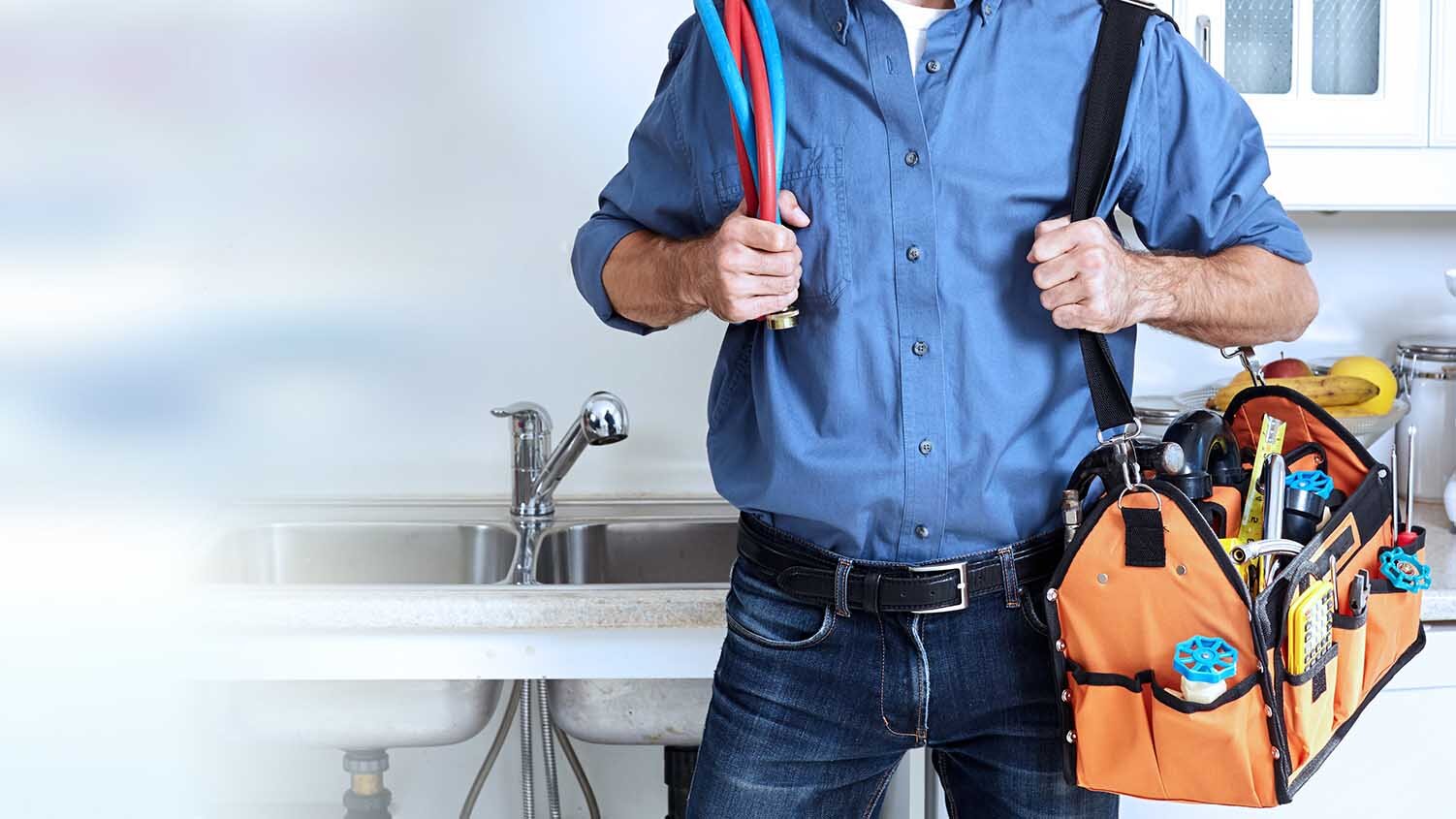
Common Plumbing Tasks Every Homeowner Should Know
Every homeowner should familiarize themselves with several common plumbing tasks to maintain their home plumbing system effectively. Some of these essential DIY plumbing skills include:
- Knowing how to turn off the water supply to your entire house or to a specific fixture, like a leaky faucet or a running toilet, which is paramount before starting any plumbing work.
- Unclogging drains using a plunger or a simple baking soda and vinegar solution.
- Understanding how to replace a washer in a leaky faucet or tighten a loose pipe connection, which can prevent significant water damage and save you from the expense of calling a licensed plumber for minor repairs.
DIY Plumbing Projects You Can Tackle

Fixing a Leaky Faucet
Fixing a leaky faucet is one of the most common plumbing issues a homeowner will encounter, making it an essential DIY plumbing project to master. A persistent leak not only wastes water but can also lead to higher water bills and potential water damage over time. This common plumbing repair often involves simply replacing a worn-out washer or O-ring inside the faucet, which can be easily sourced from a hardware store. Before starting any plumbing work, remember to turn off the water supply to the specific faucet to prevent any water mishaps, ensuring a smooth and dry repair process for this minor plumbing issue.
 colonydev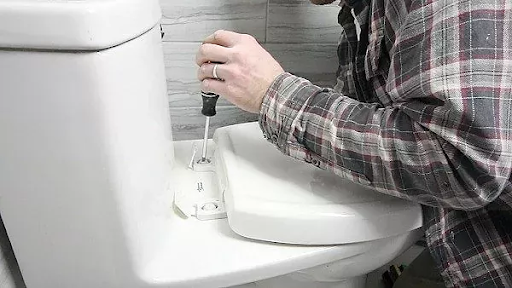
Unclogging Drains Effectively
Unclogging drains is another frequent plumbing issue that every homeowner should know how to tackle, preventing minor plumbing inconveniences from escalating. For many common plumbing problems, a simple DIY plumbing solution can be found in your kitchen. Often, there are several methods you can try:
- A combination of baking soda followed by hot water can effectively clear minor clogs by dissolving grease and grime.
- For more stubborn blockages, using a plunger is an essential plumbing tool that can dislodge most obstructions.
- If these basic plumbing methods fail, a plumbing snake can be employed to reach deeper clogs, saving you the expense of calling a professional plumber for simple clogs.
Repairing a Running Toilet
A running toilet is a common plumbing issue that, while seemingly minor, can waste a significant amount of water and increase your utility bills. This essential DIY plumbing task often involves addressing components within the toilet tank, such as a faulty flapper or a misaligned fill valve. Before beginning this plumbing repair, it's crucial to turn off the water supply to the toilet, usually via a small valve located behind or underneath the tank. Replacing these internal parts is a straightforward plumbing task that doesn't typically require complex plumbing tools and can significantly improve your home plumbing system's efficiency.
More Complex Plumbing Repairs

Addressing Pipe Leaks
Addressing a pipe leak is a more involved plumbing repair than basic tasks, requiring careful attention to ensure a watertight seal. A leaky pipe can lead to significant water damage if not promptly addressed, making it a critical plumbing issue for any homeowner. Identifying the source of the leak is the first step, followed by turning off the water supply to the affected section of the plumbing system. Depending on the severity and location of the leak, DIY plumbing solutions might involve using repair clamps for minor leaks or replacing a section of the pipe. While some minor pipe repairs can be a DIY plumbing project, more complex plumbing issues may warrant a professional.
Water Heater Maintenance and Repair
Water heater maintenance and repair are essential plumbing tasks that often go overlooked, yet they are crucial for the efficient operation of your home plumbing system. Regular maintenance, such as flushing the water heater to remove sediment buildup, can extend its lifespan and prevent common plumbing problems. Addressing a faulty water heater can be a complex plumbing repair, ranging from replacing a heating element to fixing a leak in the tank. While some basic plumbing tasks, like draining the tank, are within the scope of a capable homeowner, significant water heater repairs or a complete replacement are best left to a licensed plumber to ensure safety and proper installation.
When to Call a Plumber
While many DIY plumbing projects can be tackled by a homeowner, knowing when to call a professional plumber is crucial to prevent escalating a plumbing issue. For complex plumbing repairs such as significant pipe leaks behind walls, extensive drain clogs that a plumbing snake cannot clear, or any major water heater malfunctions, it is best to call a licensed plumber. These situations often require specialized plumbing tools, advanced diagnostic skills, and adherence to local building codes, which are beyond basic plumbing knowledge. Recognizing the limits of your essential DIY plumbing skills can save you from costly plumbing emergencies and ensure the integrity of your home's plumbing system.
Preventive Measures for Home Plumbing Systems

Regular Maintenance Tasks
Implementing regular maintenance tasks is a proactive approach to prevent common plumbing issues and extend the lifespan of your home plumbing system. Simple DIY plumbing tasks, such as regularly checking faucets for leaks, inspecting exposed pipes for any signs of corrosion, and routinely flushing your water heater, can make a significant difference. Periodically cleaning drains with a baking soda and vinegar solution can prevent clogs, while inspecting the running toilet mechanism can catch minor plumbing issues before they become major problems. These essential plumbing practices help avoid unexpected plumbing emergencies and the need for urgent repairs.
Identifying Plumbing Issues Early
Identifying plumbing issues early is an essential plumbing skill for any homeowner, allowing for timely intervention before minor plumbing problems escalate into costly plumbing repairs. Pay attention to changes in water pressure, unusual noises coming from pipes or the water heater, and any unexplained wet spots around fixtures or on walls. A persistent leaky faucet, a slow drain, or a constantly running toilet are all signs of a developing plumbing issue that should not be ignored. Early detection through regular checks and awareness can often mean the difference between a simple DIY plumbing fix and needing to call a professional plumber.
Best Practices for Home Plumbing Care
Adopting best practices for home plumbing care is fundamental to maintaining an efficient and trouble-free plumbing system. Always avoid pouring grease down drains to prevent clogs, and use drain strainers in sinks and showers to catch hair and debris. Knowing how to turn off the water supply to your entire home or individual fixtures before starting any plumbing work is a critical safety measure. Regular inspection of your pipes, faucets, and water heater for any signs of wear or leak will ensure a watertight seal. These proactive DIY plumbing tasks and careful habits will significantly reduce common plumbing problems and the need for complex plumbing repairs.