
Easiest Low-Maintenance Houseplants for Beginners

Embarking on the journey of becoming a plant parent can be incredibly rewarding, especially when you start with forgiving and easy-to-care-for plants. This guide is specifically designed for beginners, offering insights into the most resilient and low-maintenance houseplants that will thrive in your indoor space, even if you're new to gardening.
Introduction to Low-Maintenance Houseplants
Benefits of Houseplants for Beginners
Bringing houseplants into your home offers numerous benefits, making them a fantastic choice for beginners. These easy plants to grow can improve air quality, boost mood, and add a touch of natural beauty to any indoor space, requiring minimal effort to flourish. For new plant parents, Choosing the easiest houseplants allows for a positive and encouraging introduction to plant care, especially for those who may not have much experience with plants needing light..
What Makes a Plant Low-Maintenance?
A low-maintenance houseplant is characterized by its ability to tolerate a range of conditions and forgive occasional neglect. These easy-care plants are ideal for beginners looking for plants to grow, due to several key features: they are low maintenance, tolerant of various conditions, and often prefer indirect sunlight.
- They require less frequent watering.
- They can thrive in varied light conditions.
- They generally do not demand high humidity or constant attention.
Choosing the Right Indoor Plants
Selecting the right indoor plants is crucial for a beginner's success. It involves understanding your home's light conditions and your availability to water, then matching these with plants that prefer similar environments. Opting for popular indoor varieties known for their resilience ensures a rewarding experience, as these are the easiest to care for and grow well.
Top Easiest Low-Maintenance Houseplants

Pothos: The Versatile Climber
Pothos, a member of the Epipremnum genus, is one of the easiest houseplants and a fantastic choice for beginners. This versatile climber can trail beautifully from shelves or grow up supports, displaying vibrant green leaves that can grow up to 18 inches long. It is an incredibly low-maintenance houseplant, requiring minimal care when it comes to:
- Tolerating a wide range of light conditions, from low light to bright, indirect sunlight
- Only needing watering when the soil is dry
Spider Plant: Resilient and Air-Purifying
The spider plant is another excellent choice for beginners due to its resilience and air-purifying qualities. Known for its arching green leaves, which can sometimes be variegated, this rubber plant is remarkably easy to care for and can tolerate a variety of conditions, making it a good plant for beginners. Here are some of its preferences:
- It prefers indirect light.
- It appreciates evenly moist soil but can forgive occasional lapses in watering.
 sloane
ZZ Plant: Thriving in Low Light
The ZZ plant, or Zamioculcas zamiifolia, truly thrives in low-light conditions, making it one of the easiest low-maintenance houseplants for beginners with less brightly lit indoor spaces. This plant is incredibly drought-tolerant; you should allow soil to dry completely between waterings, as it stores water in its thick rhizomes. Its glossy, dark green leaves contribute to its robust appearance, making the ZZ plant a stylish and easy-care addition to any home.
More Easy-Care Plants for Beginners

Prayer Plant: Unique Foliage and Care Tips
The prayer plant, a stunning houseplant with intricately patterned green leaves, is a captivating choice for beginners willing to provide slightly more specific care, especially in warm temperatures. These easy-care plants are renowned for their unique habit of folding their leaves upwards at night, resembling hands in prayer. They thrive best in indirect light and appreciate consistent humidity, though they can tolerate average indoor conditions, making them a good plant for beginners seeking something distinctive.
Philodendron: A Great Starter Plant
Philodendron is an incredibly popular indoor plant and one of the easiest houseplants for beginners to grow, offering a wide variety of species that thrive in warm temperatures. Many indoor plants of this genus feature lush, heart-shaped green leaves that can either trail or climb, depending on the specific type. They are low-maintenance, requiring moderate, indirect sunlight and watering when the top inch of soil feels dry, making them perfect plants to grow.
Ponytail Palm: An Unusual Choice
For those seeking a truly unique and low-maintenance houseplant, the ponytail palm is an excellent option. This slow-growing succulent, characterized by its swollen base and long, arching green leaves, is incredibly forgiving and one of the easiest plants to care for. It thrives in bright, indirect light and requires infrequent watering, as it stores water in its trunkThis makes it an ideal choice for beginners who might occasionally forget to water, as its leaves can grow resiliently in various conditions.
Additional Options for Easy-Care Houseplants
Monstera: Iconic and Easy to Grow
Monstera, with its iconic split green leaves, is a fantastic houseplant that is surprisingly easy to grow and a very popular indoor plant. While it might look complex, this easy-care plant actually thrives with minimal fuss, preferring bright, indirect light and moderate watering. Monstera is a great choice for beginners looking to add a dramatic, tropical flair to their indoor space without demanding constant attention, making it an easy-to-care-for plant.
Peperomia: Compact and Decorative
Peperomia is a diverse genus of easy-care plants, offering a wide range of compact and decorative options perfect for beginners. These low-maintenance houseplants come in various leaf shapes, colors, and textures, making them excellent for adding visual interest to smaller spaces. Peperomia plants generally prefer indirect light and moderate watering, allowing the soil to dry slightly between waterings, proving they are easy to grow.
Snake Plant: The Ultimate Low-Maintenance Plant
The snake plant, or Sansevieria, truly stands out as the ultimate low-maintenance plant and one of the easiest houseplants for beginners. With its upright, sword-like green leaves, this plant is incredibly resilient and can tolerate a wide range of conditions, including very low light and infrequent watering. Its ability to forgive neglect makes the snake plant an ideal choice for new plant parents looking for an easy-care houseplant that will thrive with minimal effort.
Caring for Your Low-Maintenance Houseplants

Watering and Soil Needs
Proper watering is a crucial aspect of caring for your low-maintenance houseplants, even though they forgive occasional neglect. The general rule for many indoor plants, especially for beginner plant parents, is to allow the top inch or two of soil to dry out completely between waterings, as most plants prefer this routine. Overwatering is a common mistake that can lead to root rot, so it's always better to err on the side of underwatering for these easy-care plants. Using a well-draining potting mix is also essential to ensure that excess water can escape, allowing your plants to grow well.
Light Requirements for Indoor Plants
Understanding the light requirements for your indoor plants is key to helping them thrive. While many low-maintenance houseplants can tolerate a range of light conditions, most prefer bright, indirect light. Placing your easy houseplants near a window that receives filtered sunlight throughout the day is often ideal, as most plants need light to thrive. Plants like the ZZ plant and snake plant are particularly forgiving of low-light conditions, but they thrive best in indirect sunlight., making them excellent choices for beginners with less brightly lit indoor spaces. However, even these resilient plants will benefit from some indirect sunlight.

Common Pests and How to Manage Them
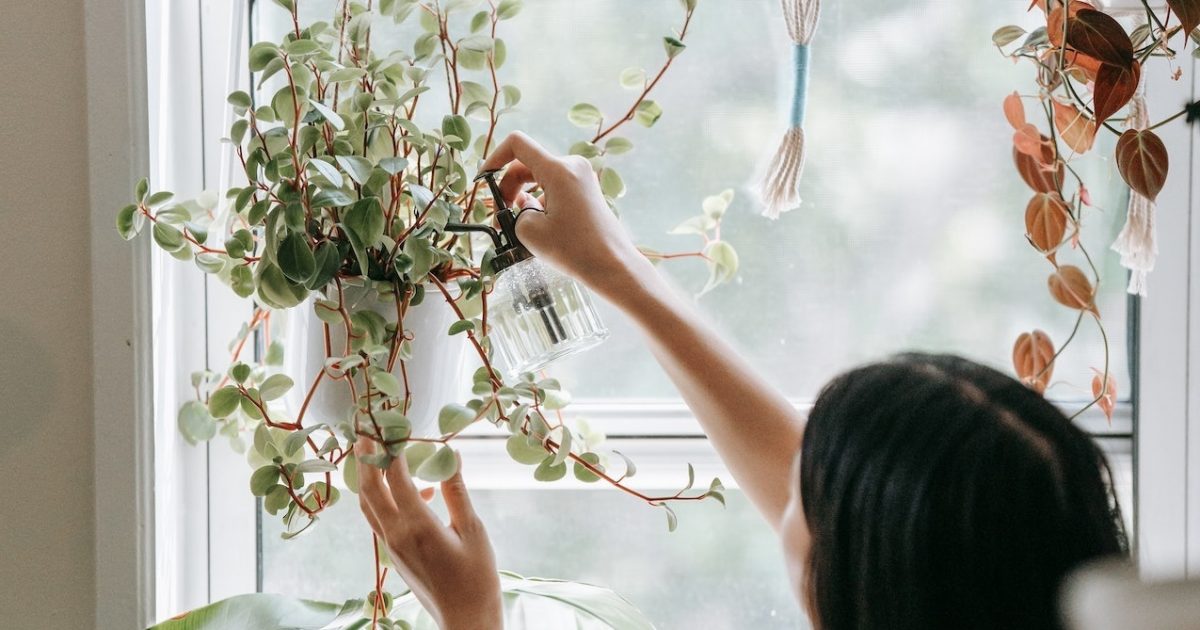
Even the easiest houseplants can occasionally encounter pests, but managing them is part of being a successful plant parent. Common pests for indoor plants include spider mites, mealybugs, and aphids. Regularly inspecting your green leaves for any signs of infestation is a good preventative measure. If you spot pests, isolate the affected houseplant and treat it with insecticidal soap or neem oil. Prompt action can prevent the spread to other plants in your collection, ensuring your low-maintenance houseplant continues to thrive.
Conclusion: Starting Your Indoor Garden

Choosing the Right Houseplants for Your Space
Choosing the right houseplants for your indoor space is the first exciting step in becoming a successful beginner gardener. Consider the amount of light your home receives, your watering habits, and the overall aesthetic you desire. Opt for easy-to-care-for plants like pothos, spider plant, or snake plant, as these are some of the easiest plants to grow and will help build your confidence. Many indoor plants are available, so select those that will easily thrive in your specific environment.
Building Your Confidence as a Beginner Gardener
Building your confidence as a beginner gardener is all about starting small and celebrating every success. Begin with one or two low-maintenance houseplants and gradually expand your collection as you become more comfortable with plant care. Learning to interpret your plants' needs, whether it's adjusting watering schedules or finding the perfect spot for indirect light, will empower you. Remember, even experienced plant parents started somewhere, and the forgiving nature of these easy houseplants makes them perfect for learning.
Resources for Further Learning
For those eager to deepen their knowledge and ensure their houseplants thrive, a wealth of resources is available for further learning. Online forums, gardening blogs, and books dedicated to indoor plants can provide invaluable tips on everything from advanced care techniques to identifying rare varieties, including the best houseplants to grow in warm temperatures. Local nurseries often offer workshops and expert advice, helping beginner gardeners navigate challenges like humidity control or propagation, including how to take cuttings from their plants. Continuous learning will transform you from a novice into a confident plant parent, ensuring your easy-care plants continue to flourish.