
How to Keep Mice Out of Your Home: Seal Your Home for Pest and Rodent Control

Nobody wants a mouse problem. Discovering a mouse infestation in your home can be unsettling, but with the right strategies, you can effectively keep mice away. This guide provides practical steps for sealing your home, focusing on pest control and rodent-proofing techniques to maintain a mouse-free environment and prevent these unwanted guests from entering your home.
Understanding Mice and Their Behavior
To effectively keep mice at bay, understanding their behavior is crucial for rodent control. Mice are small rodents, often seeking shelter and food sources inside homes. They can find their way through incredibly small openings, sometimes as small as the size of a dime, making it essential to identify and seal potential entry points to prevent a mouse infestation.

Common Types of Mice
Several types of mice might enter your home, with the house mouse being the most common culprit. These pests are adaptable and can thrive in various environments. Other rodents, like rats and squirrels, may also seek entry. Effective pest control requires distinguishing between these different types to implement targeted strategies, ensuring comprehensive rodent control around your house.
Reasons Mice Enter Homes
Mice enter your home primarily in search of food sources and shelter. Attracted to food, they will chew through packaging to access cereal, grain, and other accessible items. Additionally, mice seek nesting sites, especially during colder months, turning your attic, basement, or garage into potential havens if left unsealed. Understanding these motivations is key to a foolproof rodent-proof strategy.

Identifying Signs of Infestation
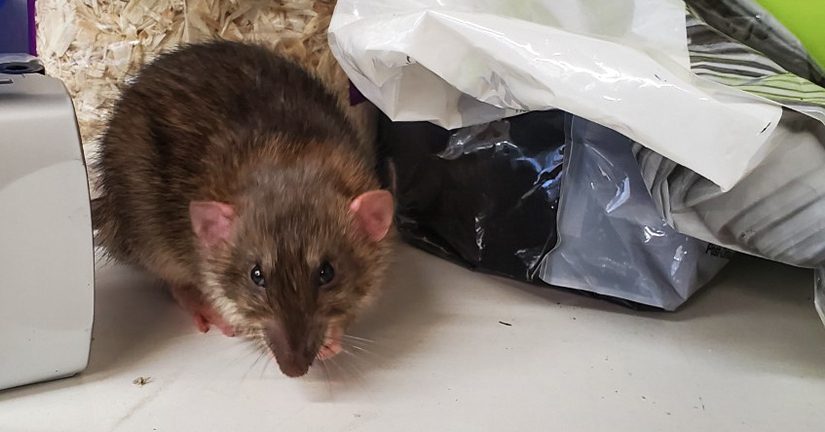
Recognizing the signs of a mouse infestation early is vital for effective pest control. Common indicators include droppings, hearing scratching noises, and finding chew marks on food containers or structures. Discovering a mouse nest is a clear sign of a more significant mouse problem. Regular inspection of potential entry points can help you eliminate mouse problems before they escalate, ensuring that you can keep mice away.
Inspecting Your Home for Entry Points

Common Gaps and Holes to Inspect
To effectively keep mice away, a meticulous inspection for potential entry points is paramount in any rodent control strategy. Check around the house, paying close attention to the foundation for cracks and small holes that mice could exploit. Even an opening the size of a dime is enough for a mouse to find its way inside. Inspect areas where pipes enter your home, as these spots often have gaps.
Checking the Attic and Basement
The attic and basement are prime locations for mice to establish a nest, making it essential to inspect these areas thoroughly. Look for signs of a mouse infestation, such as droppings, chew marks on containers, and nesting materials. Ensure that vents are covered with wire mesh to prevent mice from entering and that there are no other vulnerable entry points.

Identifying Food Sources
Identifying potential food sources is crucial for effective pest control and rodent-proofing your home. Mice are often attracted to food, so ensure that all cereal, grain, and other food items are stored in airtight plastic containers. Clean up any spills or crumbs immediately to eliminate potential food sources. Consider placing bait stations strategically to trap mice, but ensure they are out of reach of pets and children.
Effective Sealing Techniques

Using Steel Wool and Wire Mesh
When it comes to sealing entry points, using steel wool and wire mesh is a highly effective DIY method for pest control. Stuff steel wool into small holes and cracks, as mice cannot chew through it. Reinforce these areas with wire mesh to provide an extra layer of protection. This approach can deter mice from even attempting to enter your home and help to keep mice at bay.
Sealing Gaps with Caulk
Another useful method to keep mice out of your house is sealing gaps with caulk. Employing caulk around the house can eliminate entry points for rodents. Use caulk to seal cracks in the foundation, gaps around windows and doors, and openings around pipes. This creates a barrier that mice cannot easily breach, preventing them from entering your home. If you notice any areas of the caulk that are damaged, be sure to re-caulk the location right away.
Using Foam and Plugging Holes
For larger holes, using foam or plugging them with cement can be an effective rodent-proof solution. Expandable foam can fill irregular spaces, while cement provides a more permanent fix for bigger openings. Ensure that the foam or cement completely seals the hole to prevent mice from finding their way through. These techniques, when combined with other pest control measures, can help eliminate mouse problems and keep mice at bay.
Humane Deterrents and Control Methods
 Jennifer Coates, DVM
Using Ultrasonic Repellents
For those seeking humane methods to repel mice and maintain rodent control around your house, ultrasonic repellents offer a non-lethal solution. These devices emit high-frequency sounds that are unpleasant to mice, deterring them from entering your home. Place ultrasonic devices near entry points, like the basement and attic, to create a mouse-free zone and to keep mice at bay. While effective, remember that ultrasonic repellents may not penetrate walls or other obstructions, so strategic placement is crucial for comprehensive pest control.

Natural Deterrents like Peppermint
Natural deterrents, such as peppermint, can also be effective in pest control. Mice dislike the strong scent of peppermint, making it a natural way to repel mice. Soak cotton balls in peppermint oil and place them near entry points, in the attic, basement, and around the house. Regularly refresh the oil to maintain its potency. While peppermint is a deterrent, it might not eliminate an existing mouse infestation, so combining it with other rodent control strategies is advisable.
Setting Up Bait Stations
Bait stations can be a targeted approach for pest control, especially when dealing with an active mouse infestation. Place bait stations in areas where you've noticed mouse activity, such as near entry points, around food sources, or along walls. Ensure the bait stations are secure and out of reach of pets and children to prevent accidental ingestion. Regularly monitor the bait stations to replenish bait and to gauge the effectiveness of your rodent control efforts.
Maintaining a Mouse-Proof Home
 CDC
CDC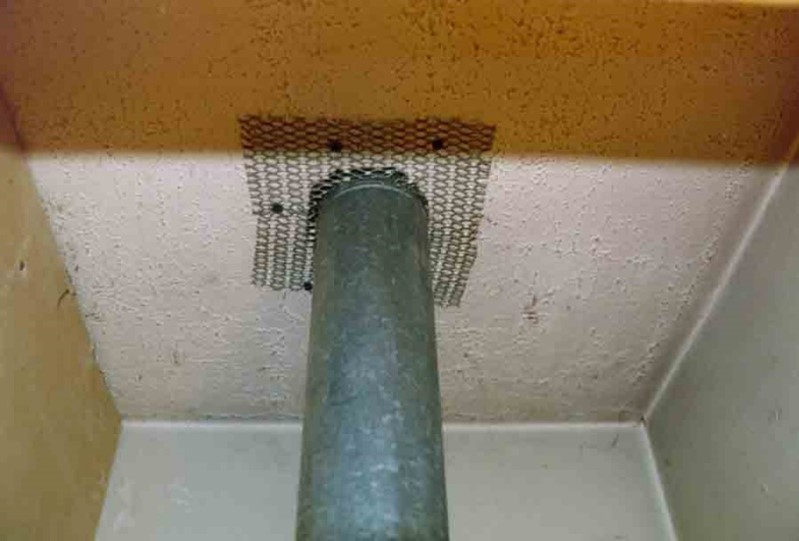
Regular Inspections for New Entry Points
Maintaining a mouse-proof home requires vigilance and regular inspections for new entry points. Walk around the house, inspecting the foundation, around pipes, and other potential access points for cracks or openings. Mice can find their way through tiny spaces, sometimes as small as the size of a dime. Seal these gaps promptly with caulk, steel wool, or wire mesh to prevent a mouse infestation and to keep mice away.
Keeping the Basement and Garage Clean
Keeping the basement and garage clean is essential for deterring mice, as these areas often provide nesting sites and food sources for rodents. Remove clutter, store items in thick plastic containers with tight lids, and sweep or vacuum regularly to eliminate crumbs and other food particles. By minimizing potential food sources and nesting materials, you can make your home less attractive to mice and reduce the likelihood of a mouse problem.

Using Cats as Natural Deterrents
For many homeowners, cats serve as natural deterrents to rodent infestations. The presence of a cat can deter mice from entering your home, as they perceive cats as predators. While cats may not completely eliminate a mouse infestation, their presence can help to keep mice at bay and reduce the likelihood of a rodent problem. However, relying solely on cats may not be a foolproof solution, so consider combining this with other pest control methods.