Landscaping for Home Security: Sight Lines, Plants and Lighting That Help
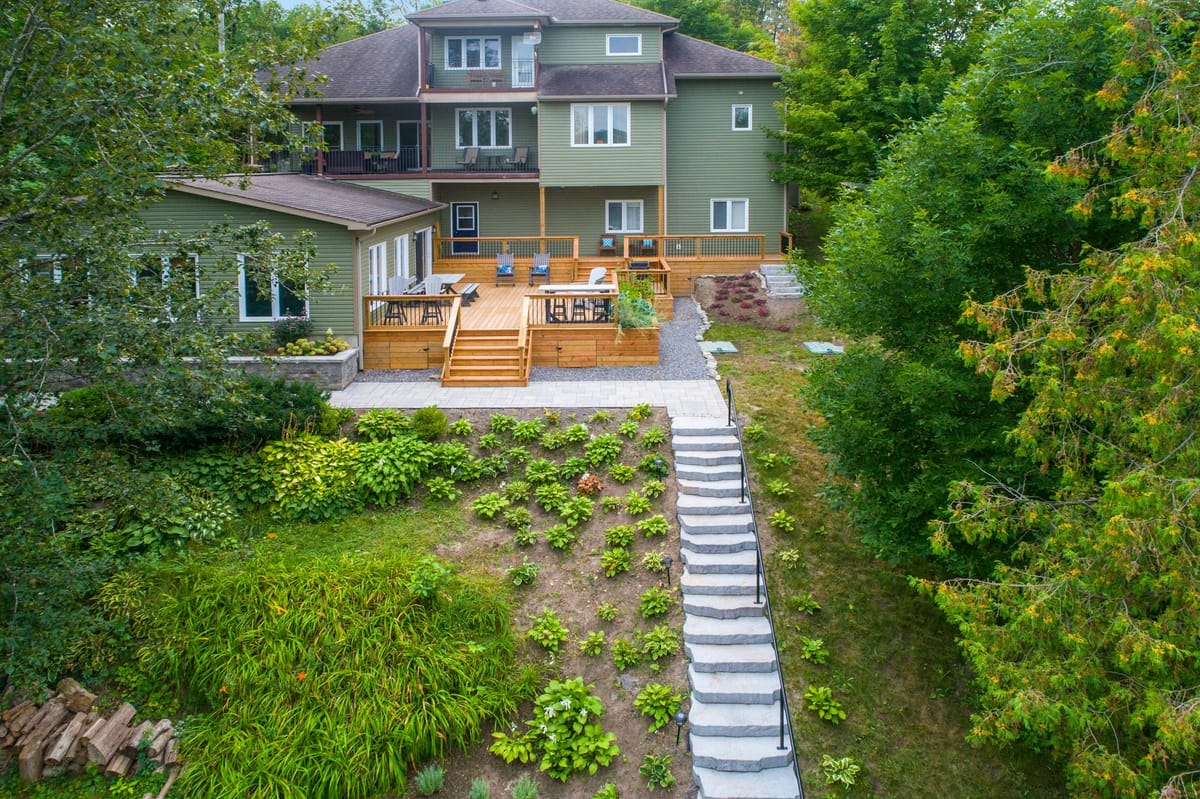
Landscaping cannot stop a determined burglar, but it can take away the cover that makes a house an easy target. A tall hedge that hides a back window gives an intruder privacy, and a dark side path gives someone a place to wait. Police departments that teach Crime Prevention Through Environmental Design, usually shortened to CPTED, ask homeowners to look at their landscape the way a stranger would: where could someone stand without being seen? This guide walks through the changes that matter most, with the specific heights and lighting advice published by the Tustin, California Police Department and the National Crime Prevention Council. None of it replaces good locks, and no plant guarantees a safe home, but these steps remove easy hiding spots around your home and make your outdoor space easier to watch.
Start with sight lines
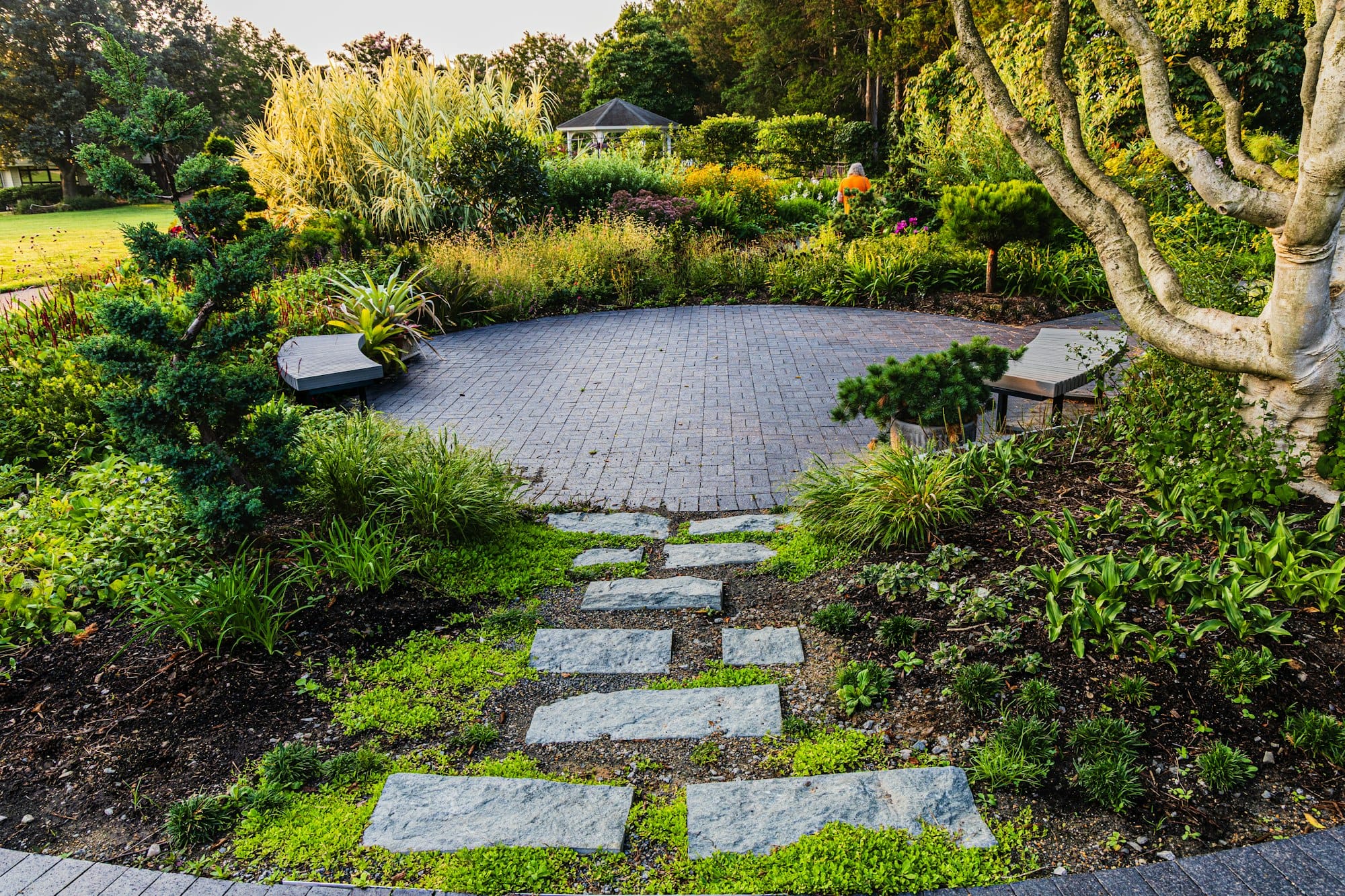
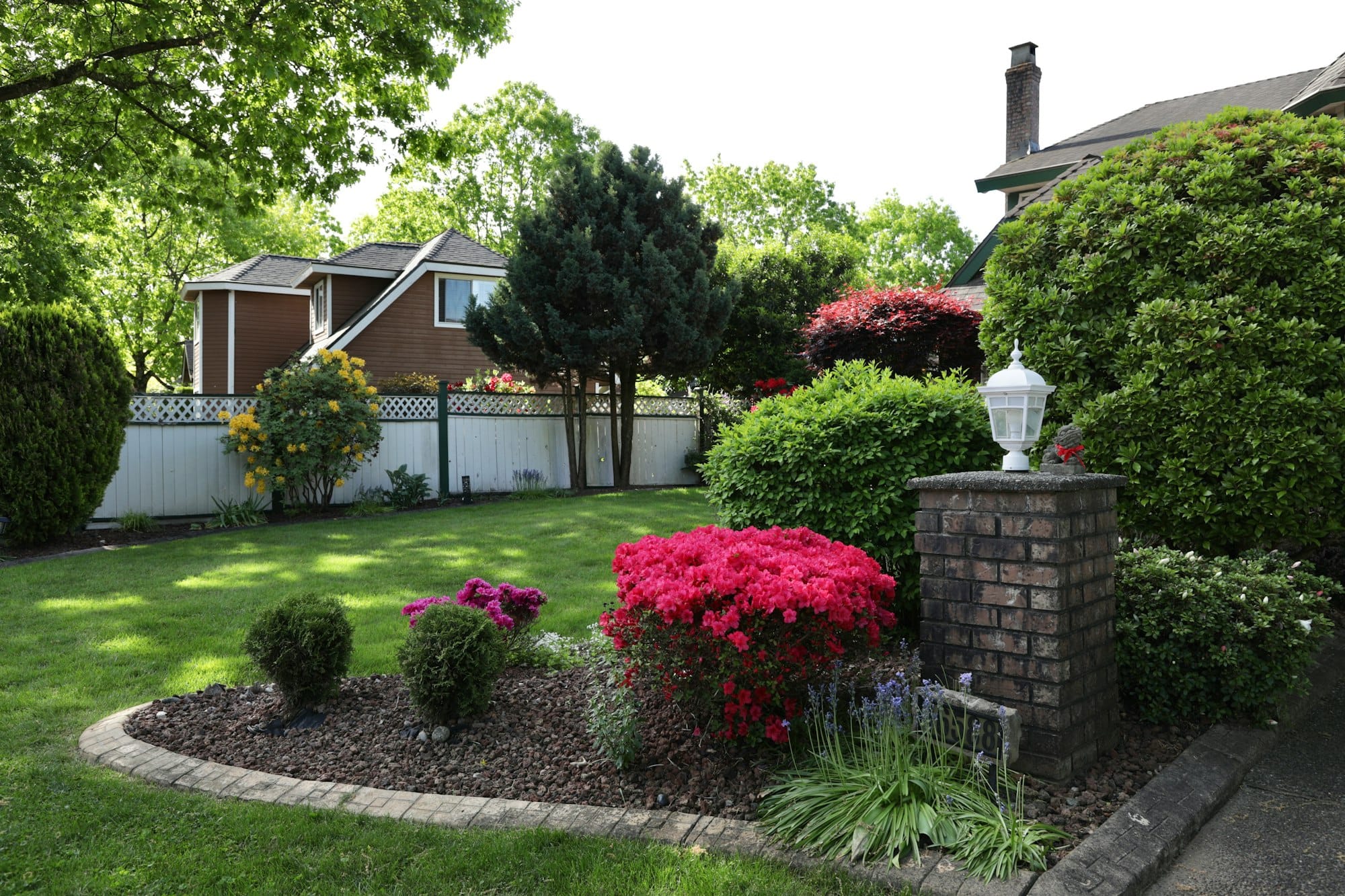
The first CPTED idea is natural surveillance: you, your neighbors and people passing by should be able to see your doors and windows. The Tustin, California Police Department gives a simple rule many departments share. Keep shrubs trimmed to about 3 feet, and prune the lower branches of trees up to about 6 feet. That leaves a clear band of view between the top of the shrub and the bottom of the tree canopy, so a person standing near the house is visible from the street.
Walk your property once in daylight and once after dark. Note any bush or hedge that blocks a view of a door, a ground floor window or a gate. Those are the ones to trim first.
- Front entryways: keep plantings low enough that the whole door is visible from the street.
- Ground floor windows: trim anything that rises above the sill.
- Corners and side yards: thin out dense hedge rows where someone could stand unseen.
- Second floor access: the National Crime Prevention Council advises trimming trees that someone could climb to reach second story windows or a balcony.
Thorny plants under windows
A low thorny shrub under a ground floor window is a common police suggestion. Local crime prevention campaigns name roses, holly and pyracantha because a person has to push through thorns to reach the glass. Be honest with yourself about how much it does. The College of Policing in the UK lists defensive planting as an untested practice, so treat it as one more deterrent, not a lock.
If you plant thorny shrubs, follow the same height rule: keep them below the windowsill so they do not become a new hiding spot. Pick a plant that suits your region. Japanese barberry, often sold for this purpose, is listed by the USDA National Invasive Species Information Center as invasive in the Eastern and Midwestern US, and some states restrict its sale. Your county extension office can suggest native thorny options. If you are also cutting water use, our guide to drought tolerant plants covers tough, low growing choices.
Light the paths and entry points
Lighting does the same job as trimming at night. The National Crime Prevention Council recommends well-lit entry doors so you can see who is there, and says motion detector lights or floodlights can brighten the property so it offers fewer places to hide. Tustin police add a plain reminder: use exterior lighting at night and keep it in working order.
- Light every exterior door, including the back door and the side door to the garage.
- Add low path lights along walkways and steps so you and your guests can see your footing.
- Use motion lights on dark sides of the house where a light left on all night would bother neighbors.
- Trim branches that block a fixture. A light hidden behind a bush lights only the bush.
Solar path lights are an easy way to add light without wiring. Our post on solar garden lights explains where they work and where they fall short.
Make your house number easy to find
When you call 911, the responders still have to find your house. Many local fire departments ask for numbers that are at least 4 inches tall, in a color that contrasts with the wall, and visible from the street at night. The City of Chippewa Falls, Wisconsin fire department notes that seconds lost searching for an address can matter. Check that a shrub or vine has not grown over your numbers, and add a post or mailbox number if the house sits far back from the road.
Fences, gates and edges
CPTED also talks about access control and territory: a yard should look like it belongs to someone. A low fence or hedge along the front marks your property line without blocking the view. A tall solid fence gives privacy, but it also gives a trespasser cover once inside, so pair it with lighting and keep gates latched or locked. Avoid stacking ladders, bins or patio furniture against the house, since those can help someone reach a window.
Keep it well kept
The fourth CPTED principle is maintenance. A well-kept yard with cut grass, cleared walkways and working lights shows that someone is home and paying attention. When you travel, arrange for mowing, snow clearing and mail pickup so the house does not look empty.
Where cameras and alarms fit
Landscaping works best as one layer of home security. Security cameras need a clear field of view, so trim plants away from the lens and the area it watches. If you have an alarm or a home security system, make sure motion sensors outside are not set off by swaying branches. For locks, doors and the rest of the basics, see our home security tips every homeowner should know. For the exact trimming heights your area uses, call the crime prevention officer at your local police department or sheriff's office; many offer a free home walk through.
Sources: Tustin (CA) Police Department, Crime Prevention Through Environmental Design; National Crime Prevention Council tips via the U.S. Attorney's Office, Northern District of Georgia; College of Policing, Crime Reduction Toolkit, defensive planting; USDA National Invasive Species Information Center, Japanese barberry; City of Chippewa Falls (WI) Fire and EMS, House Numbers.