
Power Outage Safety Tips and How to Prepare for a Power Outage

Power outages can be more than just an inconvenience; they can pose significant risks to your safety and well-being if you're not adequately prepared. This comprehensive guide will walk you through essential power outage safety tips and practical steps to prepare your home, ensuring you and your family remain safe and comfortable when the power goes out.
Understanding Power Outages

Understanding the nature of power outages is the first step in effective preparation. Knowing what causes them, the different types you might encounter, and how to stay informed can significantly enhance your ability to manage and mitigate their impact. Being prepared for a power outage means anticipating potential challenges and having solutions ready before the lights go out.
What Causes Power Outages?
Power outages can stem from a variety of causes, often unpredictable and sudden. These disruptions leave many without electricity.
| Category | Specific Causes |
|---|---|
| Weather Events | Strong winds, heavy snow, ice storms, lightning strikes |
| Other Incidents | Vehicles striking utility poles, equipment failures, animal interference |
Types of Power Outages
Different types of power outages require varying responses. Understanding the scope helps in assessing the severity and planning accordingly. Here's a breakdown of common types:
| Outage Type | Characteristics |
| Localized Power Outage | Affects a few homes due to a tripped circuit or a specific issue in the immediate area. |
| Widespread Power Outage | Can impact thousands and last for an extended duration, often caused by severe weather or major grid failures. |
How to Stay Informed During a Power Outage
Staying informed during a power outage is crucial for your safety and planning. You can receive important updates through various channels:
- Keep a battery-powered or hand-crank radio on hand to receive emergency broadcasts and local news updates.
- Sign up for text or email alerts offered by many utility companies to get real-time information on the outage's estimated duration and when power is restored.
- Social media can also be a valuable resource for updates from official sources.
Preparing for a Power Outage
Essential Tips to Prepare Your Home
To effectively prepare your home for a power outage, it's crucial to gather essential supplies and establish clear communication plans. Keep multiple flashlights with fresh batteries readily accessible in various rooms, along with a battery-powered radio to stay informed. A well-stocked emergency kit is vital, and ensuring your home phone is charged or having a backup communication method is also a great safety tip to prepare for a power outage.
Creating an Emergency Kit
An emergency kit is fundamental for any power outage preparedness plan. Include non-perishable food and water supplies sufficient for at least three days. Essential items should also include a first-aid kit, extra batteries for flashlights and radios, a whistle to signal for help, and any necessary medications. Don't forget a manual can opener and a local map, as GPS might be unreliable when the power goes out, and power outages can happen at any time, often with little warning.
 Julia Grimm
Planning for Medical Equipment Needs
For individuals who rely on electricity for medical equipment, a power outage requires meticulous planning. Identify all essential medical devices that need power and consult with your healthcare provider about backup power options, such as portable generators or uninterruptible power supplies. Ensure you have a plan for extended power outages, including a list of nearby facilities that can provide power if your home backup systems are insufficient. This proactive approach ensures continuous care, even when the power lines are down.
Power Outage Safety Tips

Generator Safety Guidelines
If you plan to use a generator as backup power, strict generator safety guidelines are paramount to prevent carbon monoxide poisoning and electrical shock. Always operate generators outdoors, at least 20 feet away from windows, doors, and vents to prevent exhaust fumes from entering your home. Never run a generator in an enclosed space like a garage. Install carbon monoxide detectors with battery backup in your home to provide an alert in case of dangerous gas buildup. Properly connecting the generator to your home's electrical system is also crucial to avoid backfeeding electricity into power lines, which can endanger utility workers.
Appliance Safety During a Power Outage
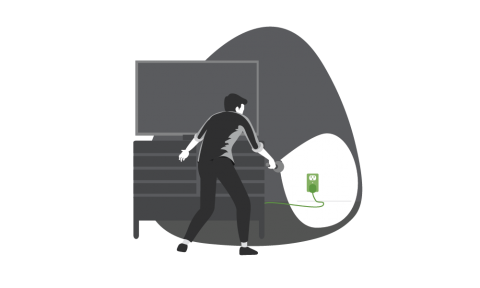
During a power outage, it's a critical safety tip to unplug sensitive appliances like computers, televisions, and other electronics to prevent damage from power surges when the power is restored. Leaving an appliance plugged in during a surge could lead to permanent damage or even electrical fires. Only plug in essential items once electricity returns and seems stable. This simple action can save you from costly repairs and enhance overall home safety.
Keeping Your Food Safe: Freezer Tips
Keeping your food cold during a power outage is vital to prevent spoilage and foodborne illnesses. A full freezer will keep food cold for about 48 hours, or 24 hours if it is half-full, provided the freezer doors remain closed. A refrigerator will keep food cold for approximately four hours. Avoid opening refrigerator and freezer doors unnecessarily to maintain the internal temperature. If an unusual odor or texture is noticed, it's best to throw away any food that has been exposed to temperatures above 40°F for more than two hours. When the power goes out, these refrigeration tips are essential.
Using Backup Power Solutions

Choosing the Right Generator
Selecting the appropriate generator is a crucial step in ensuring you have reliable backup power during a power outage. Consider factors such as the wattage needed to run essential medical devices or heat your home, the type of fuel it uses, and its noise level. A standby generator automatically turns on when the power goes out, offering seamless operation, while a portable generator requires manual setup. Always adhere to generator safety guidelines and ensure the generator is properly sized to meet your specific energy demands, especially if you rely on electricity for critical medical equipment.
Installing a Backup Power System
Installing a backup power system, whether a whole-house generator or a smaller portable unit, requires careful planning and adherence to safety protocols. For standby generators, professional installation by a certified electrician is essential to ensure proper connection to your home's electrical panel and compliance with local codes. Portable generators must always be operated outdoors, at least 20 feet away from windows, doors, and vents to prevent carbon monoxide poisoning. Always use appropriate transfer switches to avoid backfeeding electricity into power lines, which can be extremely dangerous for utility workers and lead to power outage safety hazards.
Maintaining Your Backup Power Equipment
Regular maintenance of your backup power equipment is paramount to ensure it functions reliably when a power outage strikes. This includes routine checks of fuel levels, oil changes, and testing the generator periodically to ensure it starts and runs correctly. For standby generators, schedule annual professional servicing. Keep spare parts, such as spark plugs and filters, on hand. Proper maintenance extends the lifespan of your equipment and prevents unexpected breakdowns, ensuring you are always prepared to provide backup power and heat your home when the power goes out, avoiding any unnecessary power outage.
Staying Safe When the Power Goes Out

Communication and Alerts
Maintaining communication and staying informed are vital safety tips when the power goes out. Keep your home phone charged, or have a power bank ready for your mobile devices. Sign up for power outage alerts from your utility company to receive updates on when power is restored and to report an outage efficiently. A battery-powered or hand-crank radio can provide crucial local news and emergency broadcasts. These simple steps help ensure you're never caught off guard and can communicate effectively, even during extended power outages.
Emergency Contacts and Resources
Having a well-organized list of emergency contacts and resources is a fundamental aspect of preparing for a power outage. This includes phone numbers for emergency services, your utility company to report an outage, and trusted neighbors or family members. Keep a printed list in your emergency kit, as mobile devices may lose power. Knowing where to access local warming or cooling centers during extreme weather conditions, like winter storms, is also crucial, especially if you cannot heat your home or keep food cold. These resources can be lifesavers during an extended power outage.
Preparing for Extended Outages
Preparing for extended power outages requires a more comprehensive approach. Beyond your basic emergency kit, consider having alternative methods to cook and heat your home, such as a camping stove or wood-burning fireplace, always with appropriate safety measures in place, like ensuring adequate ventilation. Stock enough food and water for several days, remembering tips to keep food cold in your freezer and refrigerator. A full freezer will keep food cold for about 48 hours, and a refrigerator will keep food cold for about four hours if freezer doors remain closed. Be mindful of food that has been exposed to temperatures above 40°F and throw out food if an unusual odor or texture is noticed. Have extra blankets and warm clothing ready to help keep food cold and yourself warm. Install carbon monoxide detectors with battery backup, as outages can happen at any time, often with little warning.
Being prepared for a power outage means anticipating potential challenges and having solutions ready before the lights go out.


