Weatherization: Seal & Insulate for Energy Efficiency

Discover how to Weatherize your home for optimal energy efficiency and enjoy a well-insulated home.. This involves several key strategies, as summarized below, that contribute to significant home energy savings.
| Strategy | Benefit |
|---|---|
| Seal air leaks | Make your home more energy-efficient |
| Add insulation | Significant home energy savings |
Start saving energy today and enjoy a more comfortable, cost-effective living space.
Understanding Weatherization
Definition of Weatherization
Weatherization refers to the process of protecting your well-insulated home and upgrading a building to reduce energy consumption and improve energy efficiency. By implementing energy efficiency improvements, homeowners can effectively weatherproof their home against external elements, minimizing drafts and leaks.
Importance of Weatherization for Energy Efficiency
Weatherization is vital for energy efficiency because it directly tackles air leaks and inadequate insulation, significantly improving home energy performance. Effective weatherizing reduces the amount of energy needed for heating and cooling, which is great for homeowners looking to reduce energy consumption.

Benefits of Weatherizing Your Home
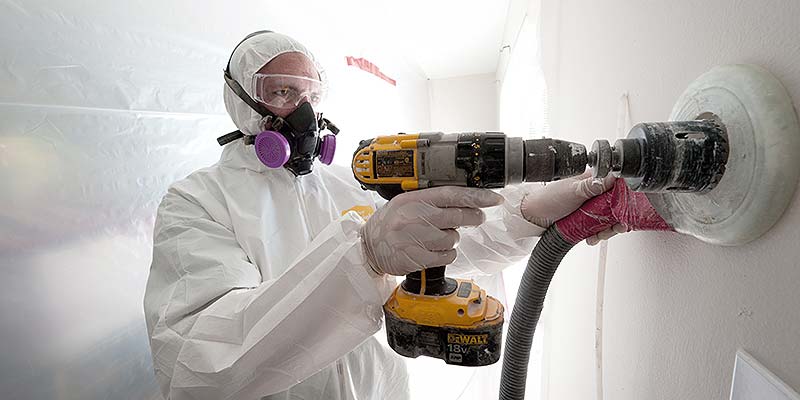
Weatherizing your home offers numerous benefits, including:
- Lower energy costs can result from improved home energy efficiency.
- Improved comfort
By sealing drafts, adding insulation, and ensuring energy-efficient performance, you'll start saving energy and create a more consistent indoor temperature, while also improving air quality.

Energy Efficiency and Home Energy Savings
How Weatherization Improves Energy Efficiency
Weatherization substantially improves energy efficiency by sealing leaks and adding insulation to optimize heated and cooled air. Air sealing around doors and windows, coupled with adding insulation in the attic, reduces the strain on heating and cooling systems, making your home more energy-efficient overall.
Calculating Your Energy Bill Savings
Calculating your energy bill savings involves assessing your current energy consumption before and after weatherization. An energy audit can help determine potential savings by identifying areas for improvement, such as sealing leaks and adding insulation, so you can lower your energy costs and save energy and money.
Energy Star Ratings and Their Importance
Energy Star ratings are crucial for identifying energy-efficient appliances and products. Choosing Energy Star certified items ensures that they provide key benefits:
- Helping homeowners reduce energy consumption
- Lowering their energy costs
This contributes to overall energy savings.


Sealing Air Leaks
Identifying Common Air Leaks
Common air leaks can significantly impact your home's energy efficiency and increase heating and cooling costs. These leaks often occur around doors and windows, where the frames meet the walls, and in the attic, where gaps in insulation can let heat escape. Identifying these air leaks is the first step in weatherizing your home and start saving energy. Addressing these issues will ensure a more energy-efficient home.
Techniques for Sealing Air Leaks Around Windows
Various techniques can be employed for sealing air leaks around doors and windows, substantially improving energy efficiency. Air sealing with caulk is effective for small gaps, while weather stripping can address larger openings. For bigger gaps, it can be beneficial to insulate these areas. A door sweep can effectively seal the gap under exterior doors, preventing drafts and lowering your energy consumption. These methods are crucial for protecting your home.
Products and Materials for Effective Sealing
Selecting the right products and materials is crucial for effective sealing and weatherization. Caulk is ideal for sealing small cracks, while weather stripping is better suited for larger gaps around doors and windows. When weatherizing your home, using high-quality, durable materials ensures long-lasting protection against air leaks and can ultimately lower your energy consumption. This contributes to substantial annual energy savings.

Insulation Solutions
Types of Insulation for Weatherization
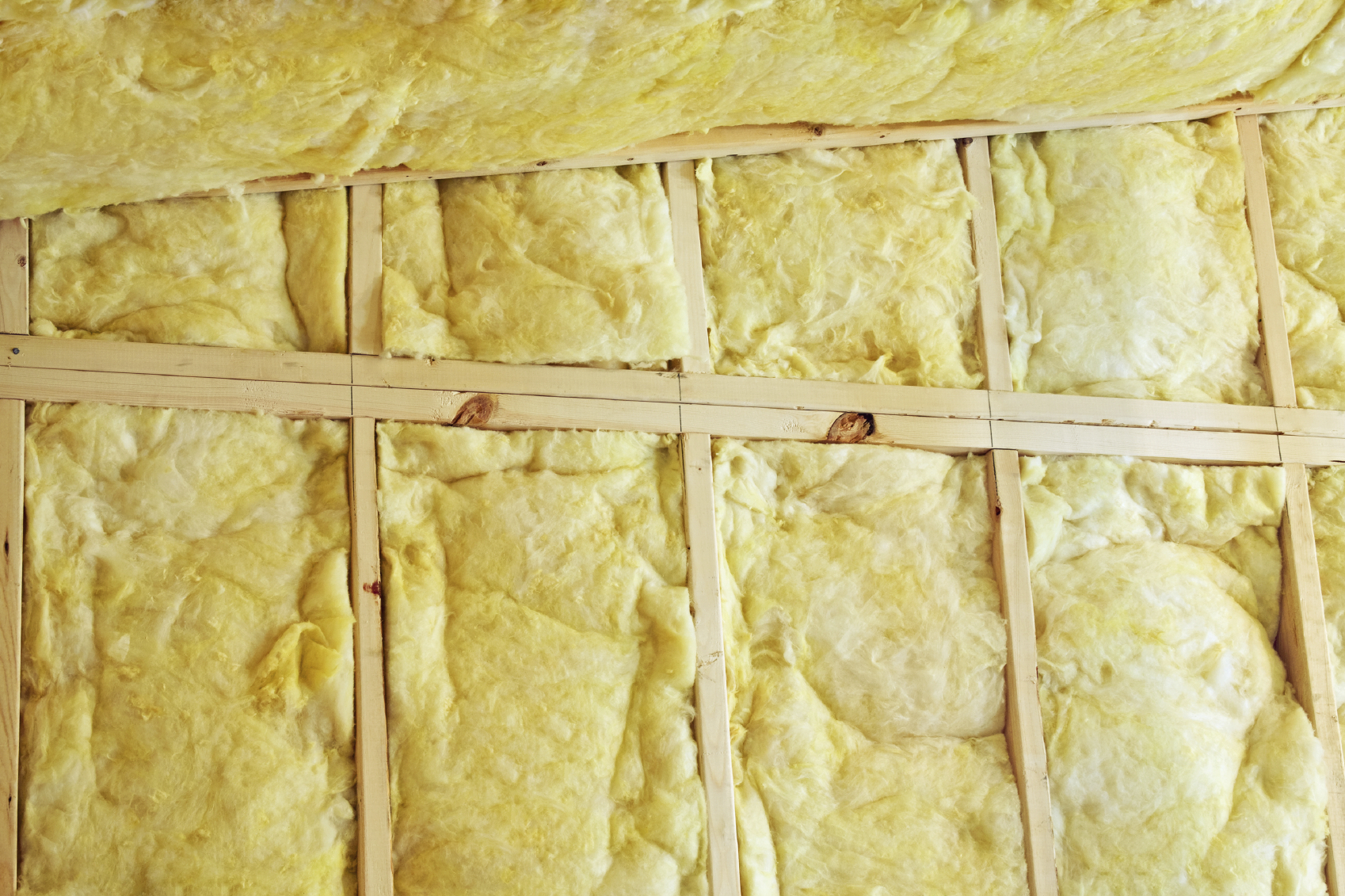
Different types of insulation cater to various weatherization needs, each enhancing energy efficiency differently. Fiberglass insulation is a common and cost-effective choice for attics and walls. Spray foam insulation provides an excellent air barrier and high R-value, making your home more energy-efficient and helping to reduce energy consumption. Selecting the right insulation is key to effectively weatherproof your home and protect against temperature fluctuations.
Benefits of Upgrading Your Home Insulation
Upgrading your home insulation offers numerous benefits, including improved energy efficiency and home energy savings. Proper insulation reduces energy consumption by keeping your home warmer in the winter and cooler in the summer. By adding insulation to your attic and walls, you'll reduce energy used for heating and cooling, leading to lower energy costs and a more comfortable living environment while weatherizing your home.

Energy-Saving Insulation Techniques
Implementing energy-saving insulation techniques can significantly enhance your home's energy efficiency. Ensuring proper insulation depth and coverage in the attic is crucial for preventing heat loss. Sealing air leaks before adding insulation maximizes its effectiveness, improving your home's ability to maintain a consistent temperature. Such measures not only help to reduce energy but also contribute to the overall weatherization of your home and protecting your home.
Weatherization Assistance Programs
Overview of Assistance Programs Available
Several assistance programs are available to help homeowners weatherize their home and improve energy efficiency. The Department of Energy offers the Weatherization Assistance Program, providing funds to upgrade the energy efficiency of low-income households. These programs often cover insulation, air sealing, and other energy efficiency improvements, helping homeowners lower their energy costs.
How to Qualify for Weatherization Assistance
To qualify for Weatherization Assistance, applicants typically need to meet certain income requirements set by the Department of Energy. Priority is often given to the elderly, families with children, and individuals with disabilities. An energy audit may be required to assess the home's energy needs and determine the most effective weatherization measures. Once approved, professionals will weatherize your home and start saving energy.
Rebates and Incentives for Weatherizing Your Home
Homeowners can access various rebates and incentives for weatherizing their home, making their home more energy-efficient. Many states and utility companies offer rebates for insulation upgrades, air sealing, and the installation of Energy Star certified appliances. These incentives can significantly offset the initial costs of weatherization, helping homeowners reduce energy consumption and lower their energy bill.

Protecting Your Home Through Weatherproofing
Steps to Weatherproof Your Home
To weatherproof your home, begin by identifying air leaks around doors and windows and seal them with caulk or weather stripping. Next, insulate the attic and walls to minimize heat loss in winter and maintain a cool temperature in summer. Installing attic insulation is crucial for achieving a well-insulated home. door sweep and adding insulation are also effective ways to weatherize your home and improve energy efficiency and start saving energy.
Long-Term Benefits of Weatherproofing
The long-term benefits of weatherproofing your home include significant energy savings and reduced energy costs. By minimizing air leaks and ensuring proper insulation, weatherization decreases energy consumption, leading to lower energy bills. Moreover, implementing energy-saving insulation techniques can lead to increased comfort. weatherproofing enhances indoor comfort by maintaining a consistent temperature and improving air quality. Over time, the annua


